
[UCT] Some children's products sold in South Africa may contain traces of toxic chemicals that were banned globally years ago, a University of Cape Town (UCT) study found. The study, titled "Legacy brominated flame retardants in children's products in South Africa: Evidence of toxic recycling in a global circular economy", has been published in the Heliyon journal.
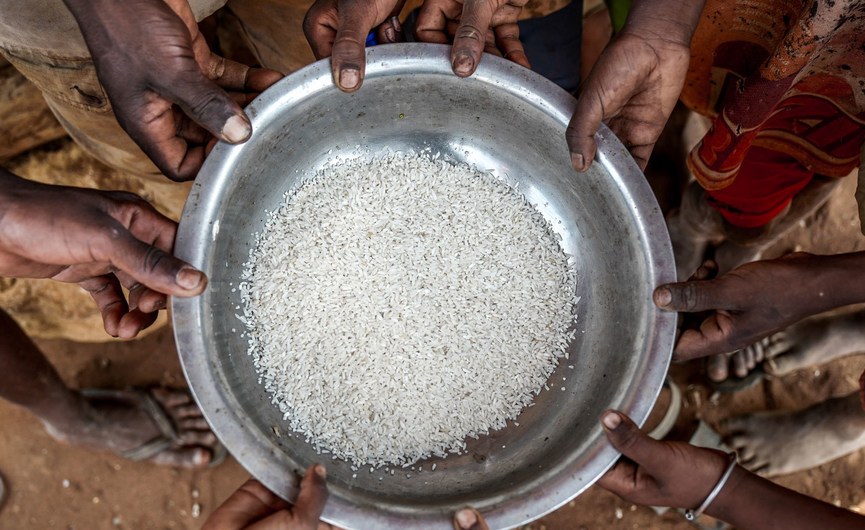
[RFI] More than 17 million people across nine conflict-hit states in northern Nigeria face severe hunger, the UN's food agency (WFP) has said, warning that violence and funding cuts are driving food insecurity to its worst level in nearly a decade. Stripped of their livelihoods, some people are fleeing across the border into neighbouring Benin.
[African Arguments] Historically, the image of a typical Southern Nigerian farmer was never complete without the muturu cattle breed grazing quietly behind the homestead. It was often tethered at the back of the house, chewing calmly on cassava peels and fresh grass cut by the owner or housed in a simple pen during rest. The muturu is an indigenous cattle breed characterized by diverse coat colour patterns and unique adaptation to the humid, tsetse-infested environments of West Africa, where it has traditionally provided
[WFP] Four years ago, donor mobilization and a massive humanitarian scale-up by WFP and partners averted famine in Somalia. Now, as needs soar, funds dry up and drought's fallout pummels the Horn of Africa nation, the race is on to stop another hunger catastrophe
[WFP] As conflict, flooding, displacement and economic shocks converge, millions of people across South Sudan are facing emergency levels of hunger. The World Food Programme is racing to deliver food and nutrition assistance in hard-to-reach areas, but access and funding constraints threaten to leave families without support.