[Leadership] The Ambassador of the People's Republic of China to Nigeria, Yu Dunhai, has assured that the zero-tariff policy for African products into the Chinese markets announced by President Xi Jinping in February will become effective from May 1, 2026.
A spokesperson for Mali's Tuareg rebel group Azawad Liberation Front pledged on Wednesday that the country's ruling junta "will fall" and said the group wanted to see Russian forces withdraw "from all of Mali" after weekend attacks by Islamist insurgents and Tuareg separatists targeting major cities.
[IPS] United Nations -- The escalating global climate crisis has led to an increase in the frequency of climate-induced natural disasters, affecting millions worldwide. As governments struggle to keep up due to persistent funding shortfalls and inadequate preparedness and response mechanisms, education systems in Eastern and Southern Africa continue to deteriorate, pushing millions of children into displacement and poverty, further deepening long-term inequalities.
[The Conversation Africa] There is a troubling contradiction at the heart of the global transition to a cleaner, greener, tech-driven future: Modern technologies - everything from AI to wind turbines, as well as cellphones, electric vehicles and defense systems - depend on critical minerals. But many of the communities where those minerals are mined end up with polluted water and poorer health because of the mining.
Four mountain bongos have arrived in Kenya after being returned from a Czech zoo in a bid to bolster numbers of the critically endangered species of which there are less that 100 left in the wild. Kenyan officials hailed the return as a “homecoming of the majestic bongos".
France on Wednesday called on its citizens to leave Mali "as soon as possible" following weekend of attacks on government targets in cities across the country launched by jihadists and Tuareg separatists.
Mali's military ruler Assimi Goita made his first public appearance since coordinated insurgent assaults over the weekend, pledging to “neutralise” those responsible as jihadist and separatist groups escalated attacks across the country.
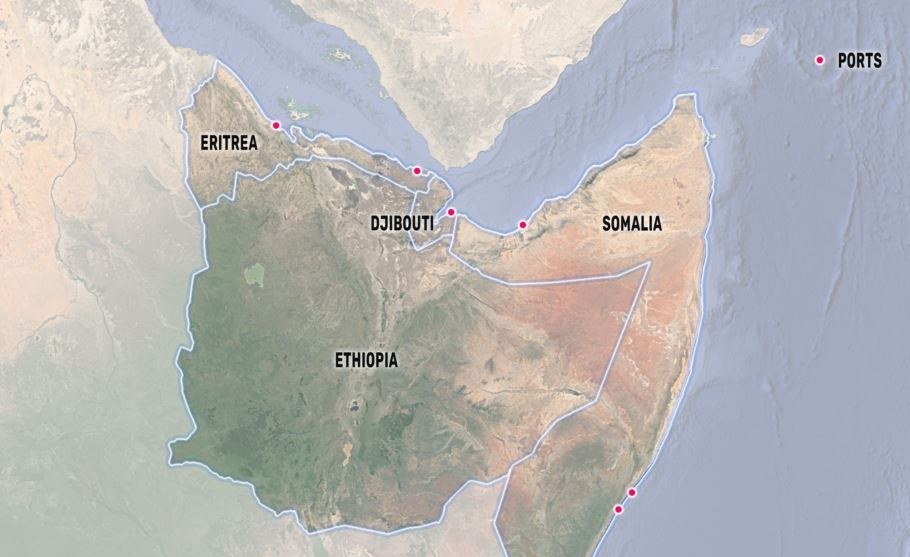
[Capital FM] Nairobi -- The Horn of Africa is facing a "dangerous crossroads" marked by interconnected conflicts and rising geopolitical competition, the Executive Secretary of the Intergovernmental Authority on Development, Workneh Gebeyehu, warned on Tuesday, calling for urgent reforms to mediation strategies as wars in the region grow more fragmented and prolonged.
Gunmen killed at least 29 people in an hours-long attack in Nigeria's northeastern Adamawa state, local authorities said, burning homes and places of worship and opening fire on people watching a football match. Nigeria continues to struggle with armed attacks by jihadists and armed criminal gangs.
Fighting continued in the northern Mali city of Kidal on Sunday as the army clashed with Tuareg rebels. The rebels on Saturday worked with jihadists to launched coordinated attacks across the country targeting major cities and government leaders.
Gunmen attacked several locations in Mali's capital and other cities early Saturday. Mali’s army said its soldiers were “engaged in eliminating the attackers”, while Tuareg rebels of the Azawad Liberation Front (FLA) coalition said they had captured the northern city of Kidal. Read our blog to see how the day's events unfolded.
An Al-Qaeda affiliate and Tuareg rebels claimed responsibility on Saturday for coordinated attacks across Mali, in one of the boldest operations insurgents have launched in their campaign against the military-led government.
France's foreign minister Jean-Noël Barrot on Friday voiced concern about the spread of Islamist extremism in west Africa, after talks with Togo's leader, Faure Gnassingbe. Violence by jihadist groups has blighted the Sahel region for the last decade, and is now spreading into northern regions of coastal countries such as Togo.
A government-appointed commission said last year's post-election violence left at least 518 people dead but named no perpetrators. The opposition dismissed the findings as a "whitewash."
Pope Leo XIV visited a notorious prison in Bata on the last leg of his Africa tour Wednesday, delivering a rare public critique of inmate conditions in Equatorial Guinea. In his address, the pontiff urged respect for human dignity, highlighting concerns about overcrowding and justice in a country long accused of rights abuses.
[This Day] More than 20 years after an unsuccessful attempt to record a commercial oil discovery within the Nigeria-Sao Tome & Principe Joint Development Zone (JDZ), the two countries are calling for willing investors, particularly independent producers in Nigeria, to go into aggressive search for hydrocarbon in the ultra-deep frontier basin.
[African Union] The Chairperson of the African Union (AU) Commission, H.E. Mahmoud Ali Youssouf met this afternoon with Walter Parrs, Chargé d'Affaires, a.i. at the U.S. Mission to the AU.
[SciDev.Net] As progress on malaria stalls, the case for local research in Africa is stronger than ever, write Edwine Barasa of KEMRI-Wellcome Research Programme and David Mukanga at the Gates Foundation.
[IPS] ABUJA, Nigeria / NAIROBI, Kenya, Apr 22 2026 (IPS) - In many countries across Africa, people have recently lined up to vote. But in country after country, there has been no real choice on offer. As CIVICUS's 2026 State of Civil Society Report documents, what has frequently been on display is a procedural ceremony of democracy, orderly enough to satisfy observers, but hollow enough to leave those who hold the reins of power untroubled. Laws and structures that were supposed to promote democratic decisions