
Audio program
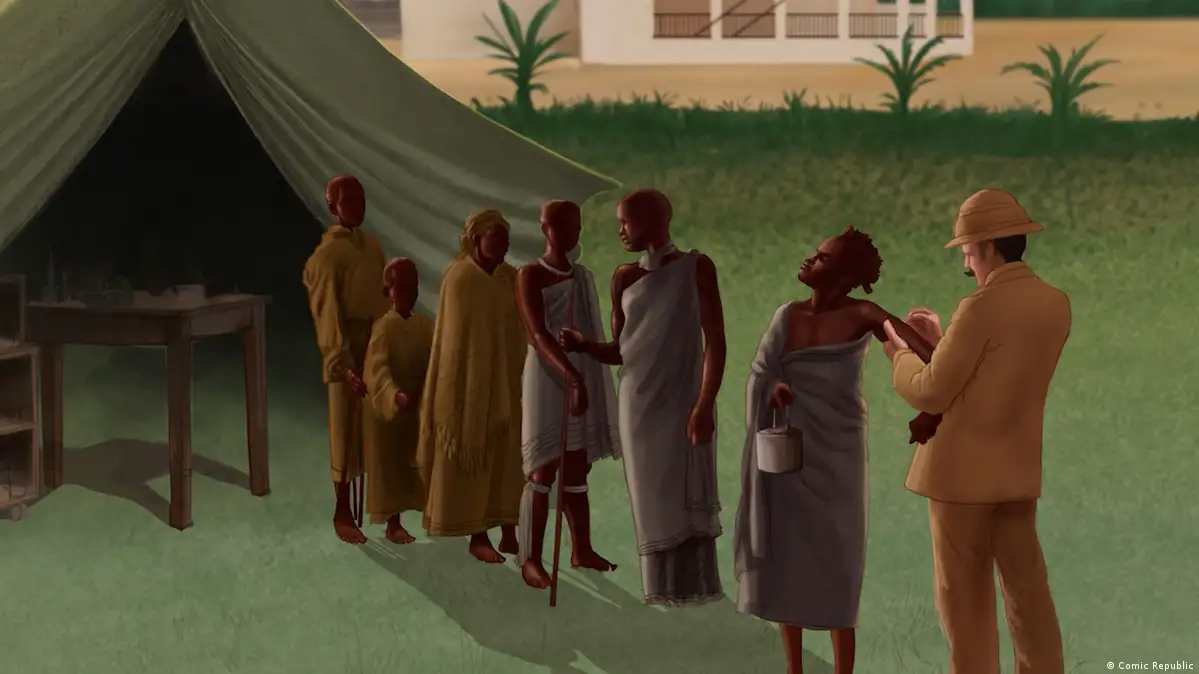
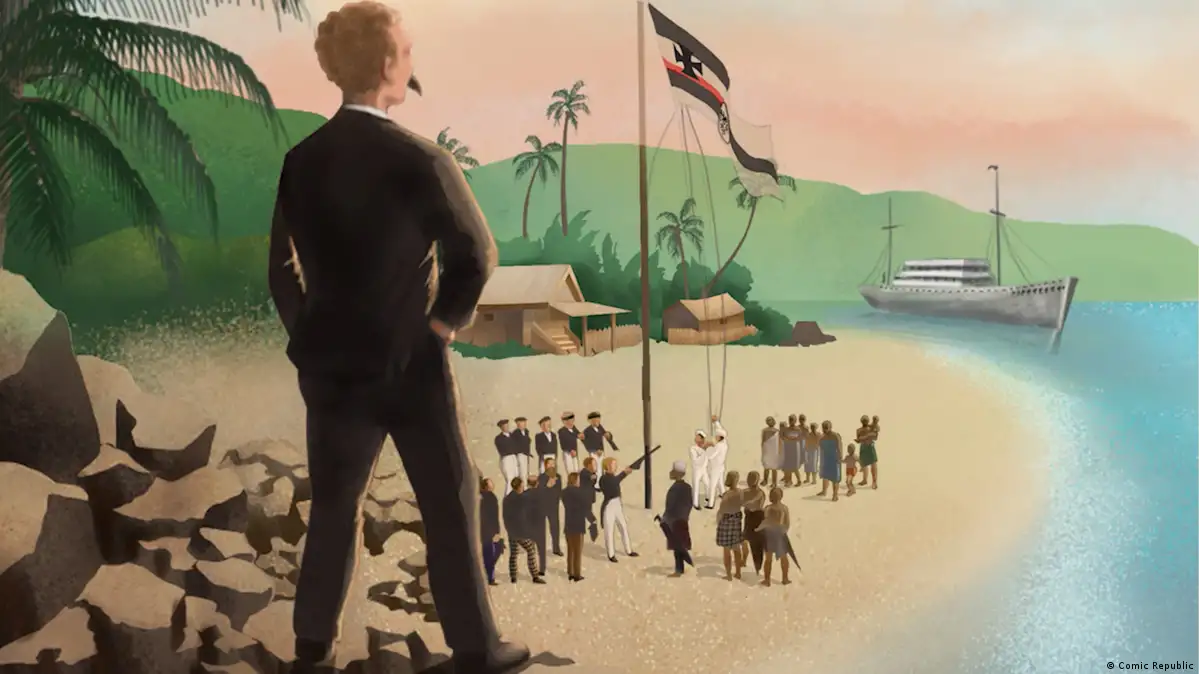
Tropical medicine boomed as European powers claimed territories in Africa. Germany sent the famed Robert Koch and many others to the colonies to find cures to tropical illnesses - but also to test new medicines. This shadowy practice led to Africans being mistreated, and many died in the process, leaving a legacy of physical and psychological trauma that has never been properly cured.
Audio program
Respected German anthropologists made a career from dividing people by race, a new branch of science that conveniently put Europeans at the top. While eugenics and scientific racism was widely practiced in Western nations in the early 1900s, the ideas developed by Eugen Fischer and others served as the intellectual bedrock for race-based crimes committed by Nazi Germany.
Audio program
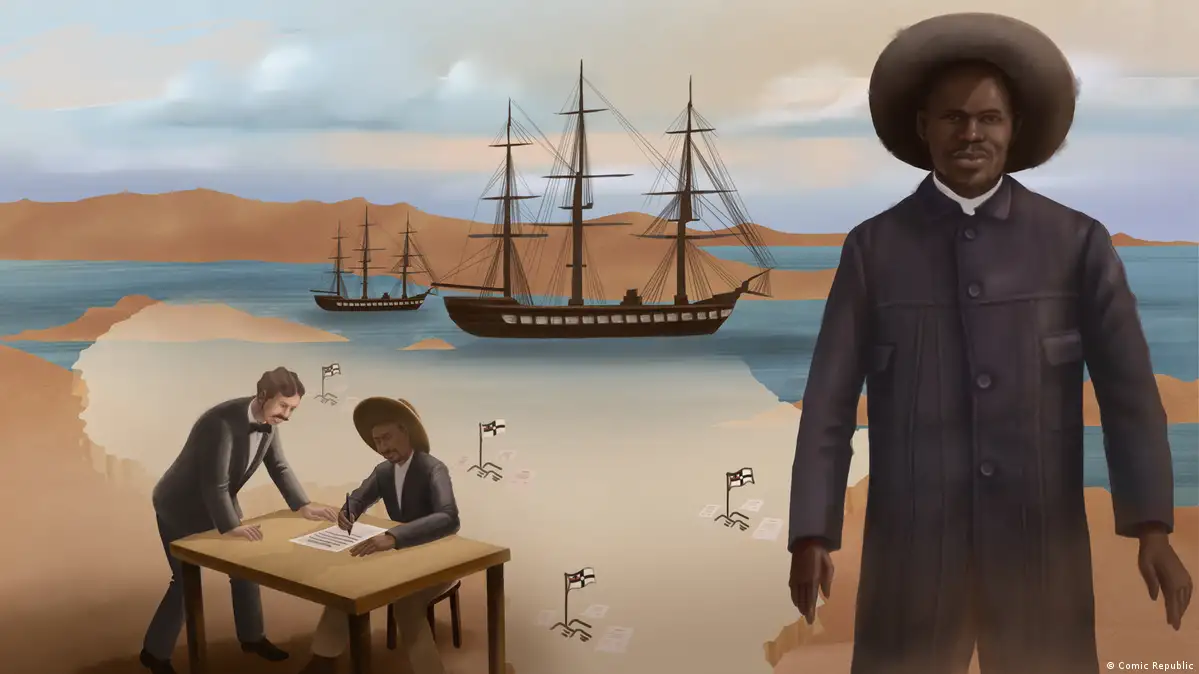
Why does Namibia have a bizarre panhandle? Why do some Ghanaians talk of being from "Western Togoland"? Much of this has to do with African borders drawn up in Europe during late 19th century. Borders that to this day are still very much contested, and have had deadly consequences. We explore how treaties designed to prevent war in Europe have caused conflict in Africa.
Audio program
In the context of colonial-era injustice, the renaming of landmarks almost seems like a footnote. But in this podcast we discover how renaming mountains, towns, and even people was another form of oppression. We also meet some characters who have outlived the colonialists' names, and why renaming landmarks is a form of reclaiming heritage.
Audio program
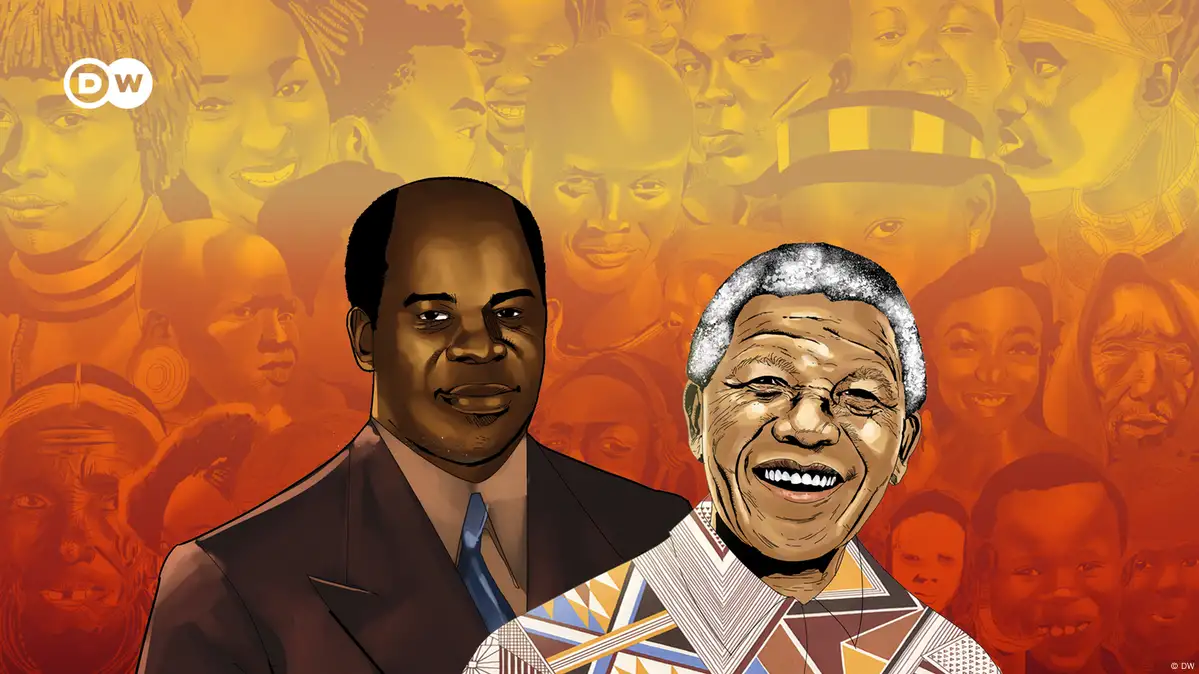
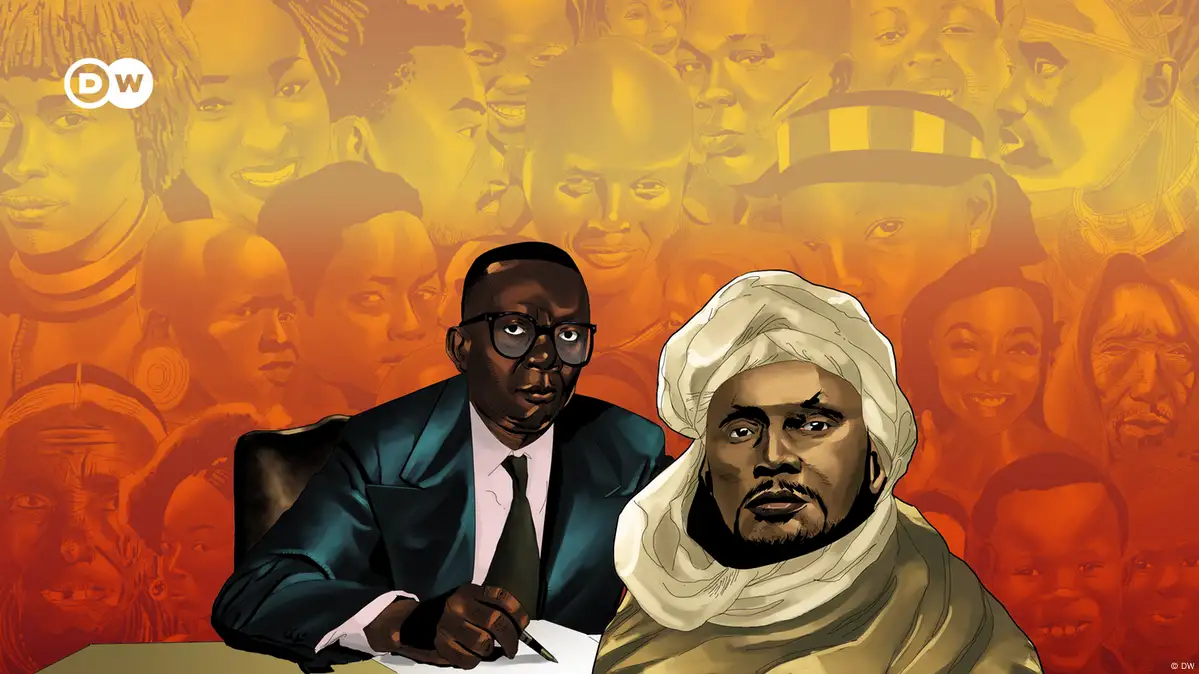
For our last episode of African Roots, we profile two giants: Mozambique's Eduardo Mondlane and South Africa's Nelson Mandela. We look at how the two men shaped their respective nations' trajectories in different eras, and how their fight against oppression inspired thousands of young people to take up the armed struggle.
Audio program
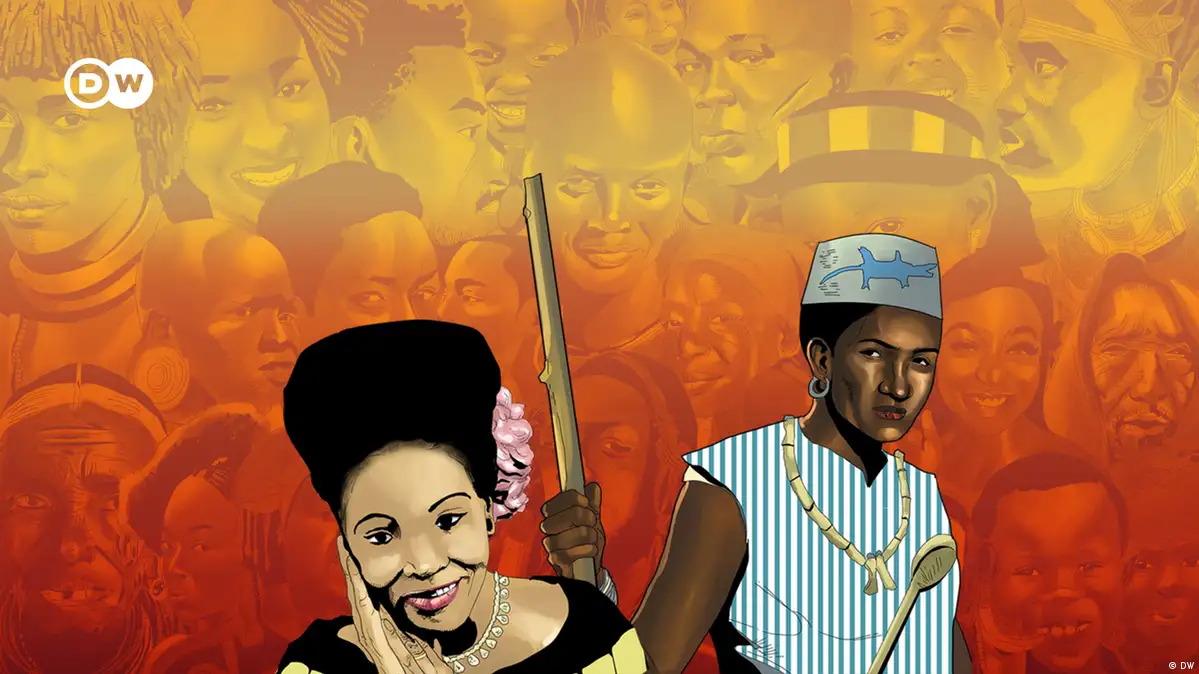
Cai finds out how the legendary warriors, the Dahomey Amazons, have recently gained recognition - to dazzling Hollywood effects. But not all women fought on the battlefield: Laila explores how in neighboring in Nigeria, Margaret Ekpo blazed a trail for female participation in local politics as independence took hold.