Fuel hikes in Zimbabwe have pushed petrol above $2 a liter and forced transport fares to double, deepening the cost-of-living crisis and leaving many struggling to keep up with rising daily expenses.
Despite being curable, tuberculosis (TB) is spreading fast in South Africa and Mozambique. What's driving the rise, and what solutions lie in communities themselves?
Ghana's revived anti-LGBTQ+ bill could see offenders jailed for up to three years, while Senegal now imposes sentences of up to ten years for same‑sex relations. What's driving this regional crackdown? Lucy Riley speaks with Angel Maxine—Ghana's first openly transgender musician—and her mother about what it means to raise a transgender child in a deeply conservative society.
A wave of deadly blasts rocked Maiduguri in northeastern Nigeria after years of relative calm. More than 20 people killed, over 100 injured. Is this a resurgence of jihadist violence, or a warning that the conflict never really ended? Lucy Riley speaks to Malik Samuel, senior researcher at Good Governance Africa-Nigeria and DW's Abiodun Jamiu Sulaiman to figure out what's next for Nigeria.
A new border dispute is erupting as Liberia and Sierra Leone accuse Guinean troops of crossing into their territory to seize land. Guinea denies this, stating its recent military deployments are defensive. Regional leaders are now seeking a diplomatic solution. In this AfricaLink episode, Lucy Riley speaks with Liberian activist Martin Kollie and DW's Evelyne Kpadeh in Monrovia
Nigeria's government wants a constitutional amendment allowing each state to run its own police force. Supporters say decentralizing police could reduce crime. But critics warn it could lead to political intimidation. Adwoa Tenkoramaa Domena speaks with defense and security analyst Larry Imoukhuede and DW's Ben Shemang in Abuja to unpack the potential benefits and risks of having state police.
Thousands are being flown out of the Middle East as the Iran war escalates, yet many South Africans in Dubai and other hubs remain stranded and want answers from their government.
A leaked draft of a US–Zambia health deal suggests strict targets and major data‑sharing demands. Critics call the $1B agreement exploitation, while supporters say it brings accountability. What could Zambia lose if talks fail?
Thirty years after world leaders adopted the Beijing Declaration, women across Africa are increasingly taking on leadership roles in politics, media, business, and culture. But despite these gains, gender inequality remains. Adwoa Tenkoramaa Domena speaks with DW’s Asumpta Lattus and Amaka Okoye about the progress, barriers that remain and what the next chapter of gender equality could look like.
As organized crime surges, South Africa is turning to the army for support. But can soldiers succeed where policing has struggled, or is the country risking escalation?
A new study has detected hormone‑disrupting chemicals in menstrual products sold in South Africa. With links to infertility and other health risks, experts are urging tighter regulation.
The US-Israel war with Iran is pushing up fuel costs, slowing shipping, and raising security risks across Africa. We break down how the fallout is hitting trade, energy, and stability across the continent.
Malawi has banned health workers from holding dual roles in public and private facilities, aiming to curb corruption and boost accountability. Doctors say the move could hurt care and plan to challenge it.
Cai explores how Senegal's first president, poet Leopold Senghor, believed a mix of African and French culture could carry Senegal into independence. Meanwhile, Laila tells Cai how Nigerian Oba Ewuare's taste in cultural investment still has African nations and European museums at loggerheads.
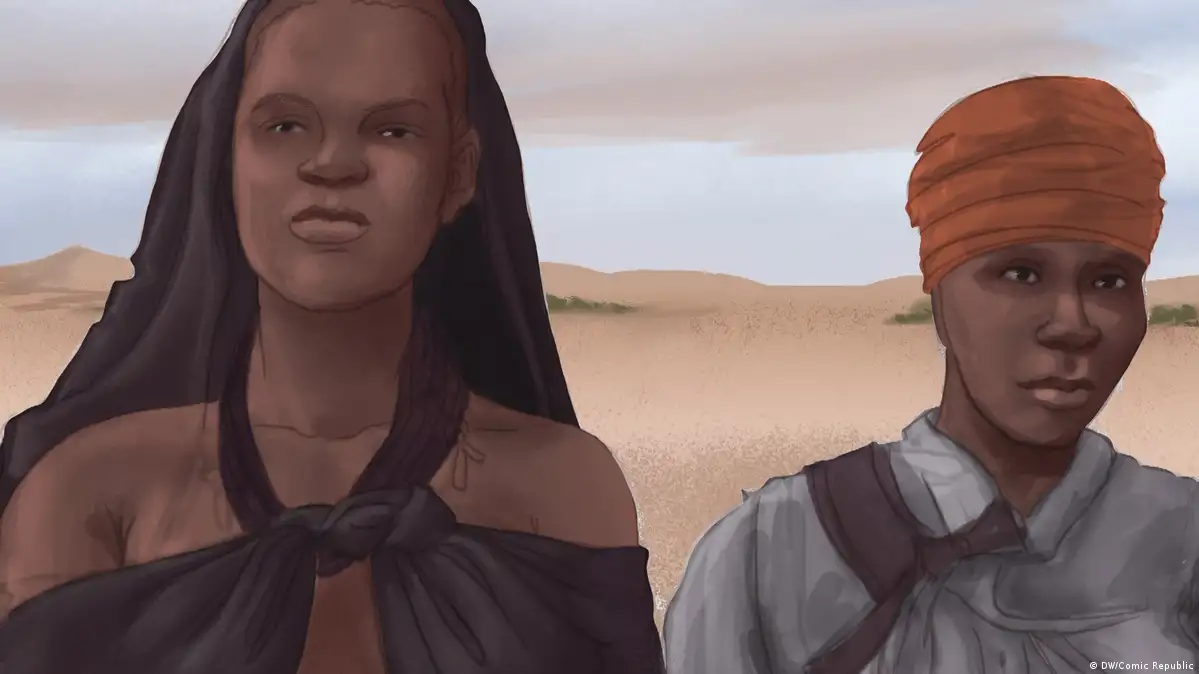
The atrocities of German colonialism remained largely, and purposefully, obscure as Namibians endured successive German and British colonial administration. Under the South African apartheid rule that only ended in 1990, there was little space to confront the crimes. But women kept, and continue to keep, their people's history and culture alive.
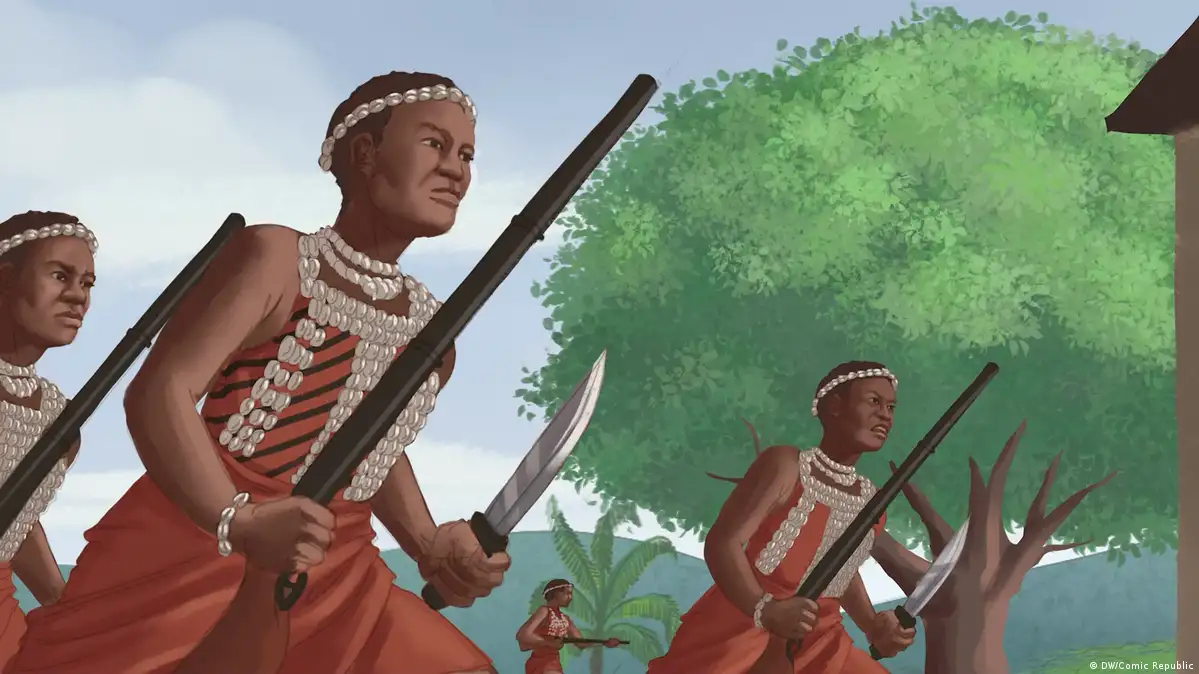
In 1893, Dahomey men and women revolted against abuse by German colonial officers in Cameroon in a famous uprising that Germany was unprepared for. We look at how female resistance against colonialism has taken different forms, from the Dahomey Revolt to the battle to return the Ngonnso sculpture to Cameroon.
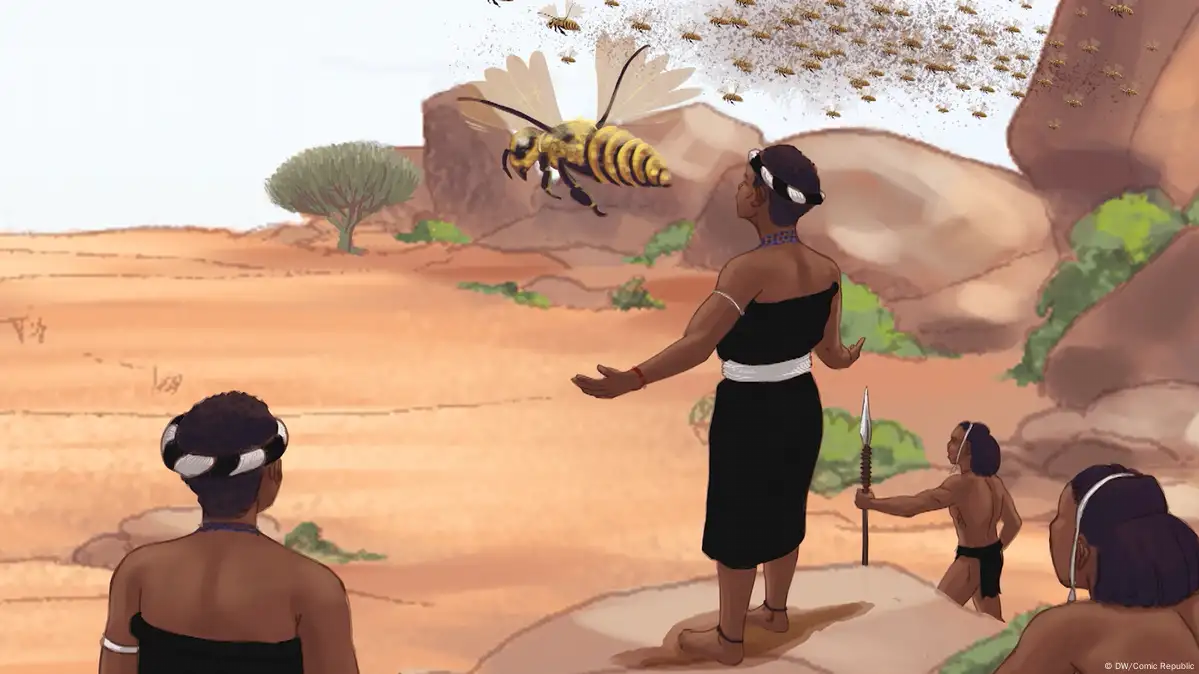
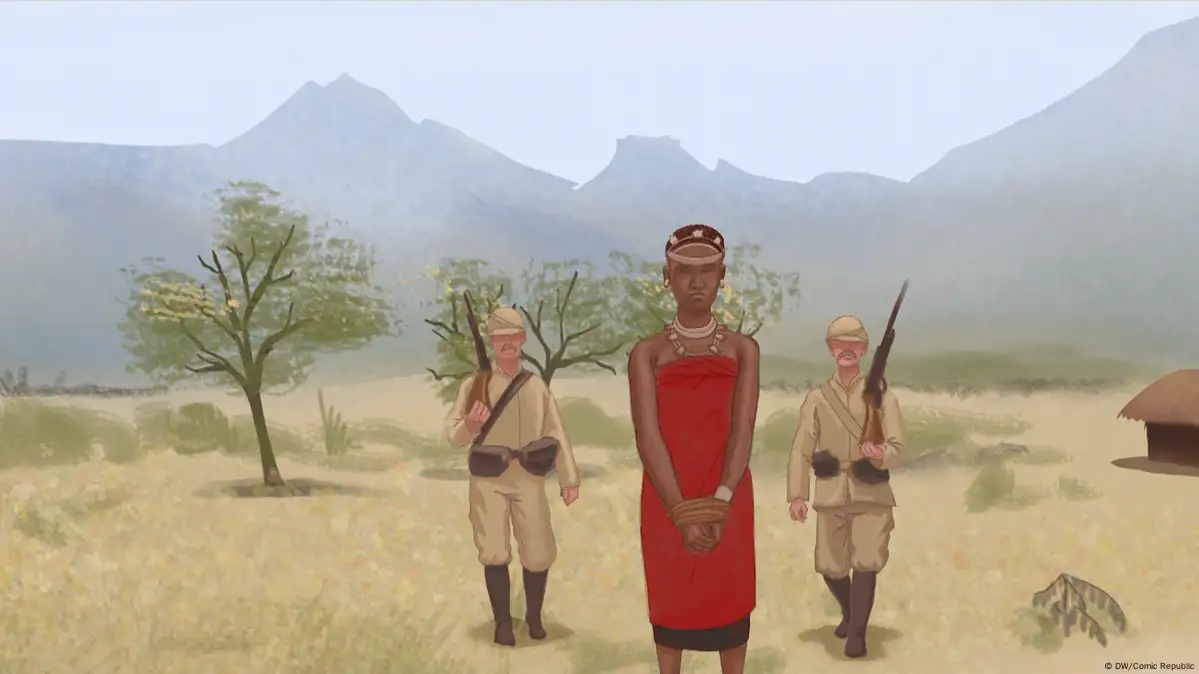
As German colonialists swept into East Africa, they came up against a force none had reckoned with: Li'ti Kidanka. Shrouded in folklore, we tell the story of a Tanzanian heroine who fought German colonialism with a very unusual weapon.
Nduna Mkomanile tried to unite East African communities against German colonialism during the Maji Maji war in the early 20th century. She's now regarded as one of Tanzania's most notable female freedom fighters, but for decades her importance was overlooked. We find out why.
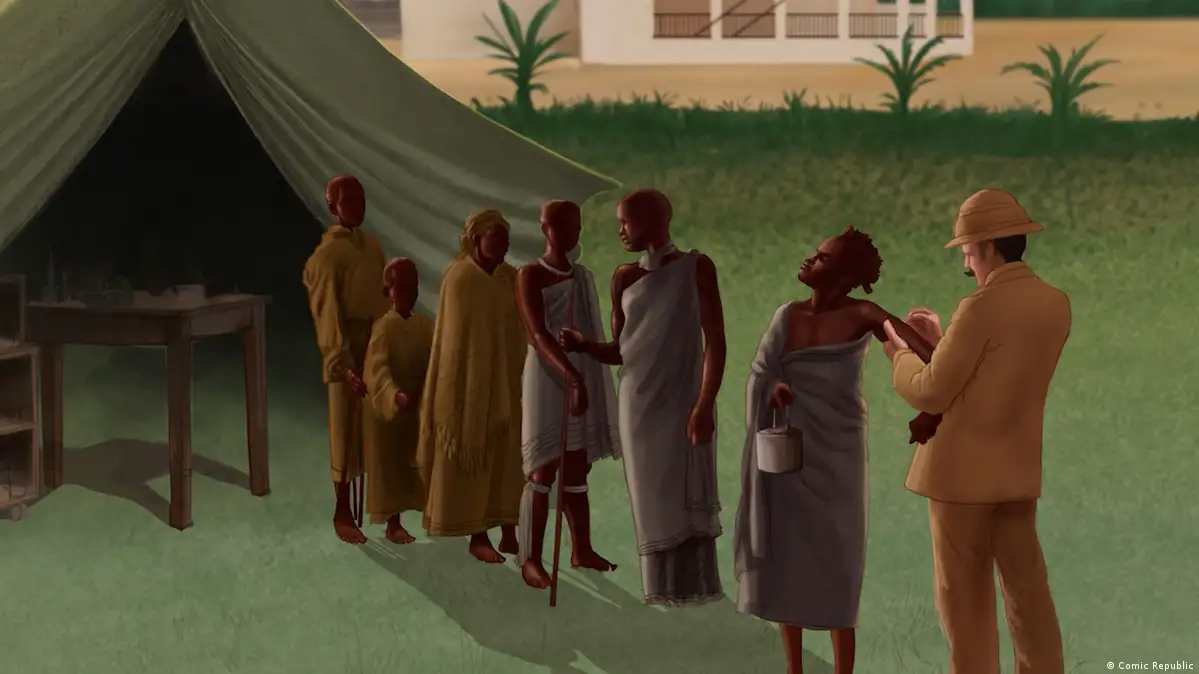
Tropical medicine boomed as European powers claimed territories in Africa. Germany sent the famed Robert Koch and many others to the colonies to find cures to tropical illnesses - but also to test new medicines. This shadowy practice led to Africans being mistreated, and many died in the process, leaving a legacy of physical and psychological trauma that has never been properly cured.
Respected German anthropologists made a career from dividing people by race, a new branch of science that conveniently put Europeans at the top. While eugenics and scientific racism was widely practiced in Western nations in the early 1900s, the ideas developed by Eugen Fischer and others served as the intellectual bedrock for race-based crimes committed by Nazi Germany.