7 Aug 2026, 09:52 GMTBy editorial@africanews.com (Rédaction Africanews)2 variants
Meta has been ordered to pay a record $942 million after a US judge ruled the company failed to protect children from harm on its social media platforms.
In his Lagos studio, Nigerian artist Emmanuel Olatunde is transforming the way portraits are painted, using clay sourced from the earth beneath his feet. The 39-year-old artist has developed a unique technique that turns natural clay into paint, using his background in science and his passion for art.
South Africa's textile industry is facing a workforce crisis after thousands of migrant workers fled the country in the past few months, in the wake of violent xenophobic protests. The campaign led by anti-immigrant group March and March sought to free up jobs for South Africans, one-third of whom are unemployed. But factory owners in Newcastle on say they have yet to fill vacancies left by foreign workers who fled.
Ethiopian security agents abducted, assaulted and detained Yonas Kedir, the editor-in-chief of independent media outlet Addis Standard, the publication said on August 7, the latest sign of a worsening climate for the press. Addis Standard, a print and online outlet, is one of Ethiopia's few independent media platforms, with nearly one million followers on X. FRANCE 24's Tom Canetti reports.
At least 308 people abducted in different attacks in the northern part of Nigeria were rescued, the country’s president said August 5. Those rescued include 163 people abducted from Woro community in February 2026, and 145 people kidnapped mostly from Niger state. It was described as the “largest rescue operation ever” undertaken in the country on a single day by security forces.
[Vanguard] ABUJA - Four persons sustained injuries on Thursday night after a petroleum tanker caught fire while discharging products at AYM Shafa Filling Station, beside the Federal Capital Territory Internal Revenue Service (FCT-IRS) office along Funmilayo Ransome-Kuti Way, Area 3, Garki, Abuja.
[Capital FM] Nairobi -- The High Court has declared that Kenya's next presidential election ought to be held on Tuesday, August 11, 2026, ruling that the Constitution requires the poll to be conducted on the second Tuesday of August in the fifth year following the previous General Election, and not after the fifth year as currently planned by the Independent Electoral and Boundaries Commission (IEBC).
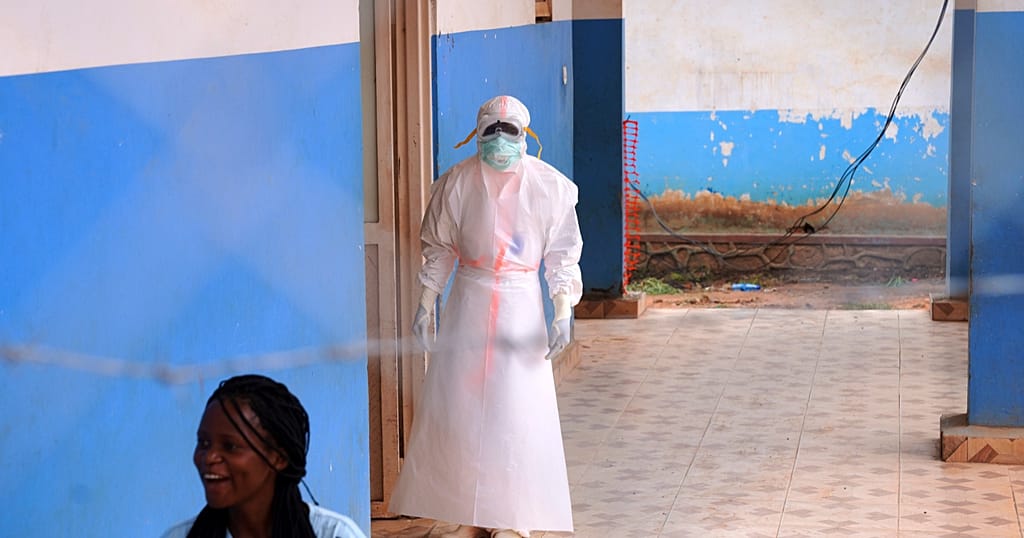
Turning to the Democratic Republic of Congo, where the Ebola outbreak continues to spread rapidly. Africa’s top health agency announced Thursday that it will roll out a vaccine targeting a previous Ebola strain, in an effort to help contain the latest outbreak. Nearly three months in, global health officials warn the virus is spreading faster than the response, with new cases doubling in some hotspots. Some frontline health workers have also gone on strike, saying they have not been paid for months. Simon Moritz has the story.
[WHO] The Africa Centres for Disease Control and Prevention (Africa CDC) and the World Health Organization (WHO) have called for an urgent scale-up of the community-led Ebola response in the Democratic Republic of the Congo (DRC), with stronger early detection, contact follow up, access to care, support for frontline health workers and faster delivery of resources to affected communities.
[CAF] Cameroon secured top spot in Group D after playing out a 1-1 draw with Cape Verde in their final TotalEnergies CAF Women's Africa Cup of Nations Morocco 2026 group-stage match in Casablanca on Thursday.
[DW] A new wave of African withdrawals has swept through the International Criminal Court. Chad turned its back on the court after three junta-led states in the Sahel exited. But most African countries still trust The Hague.
7 Aug 2026, 06:35 GMTBy editorial@africanews.com (Rédaction Africanews)2 variants
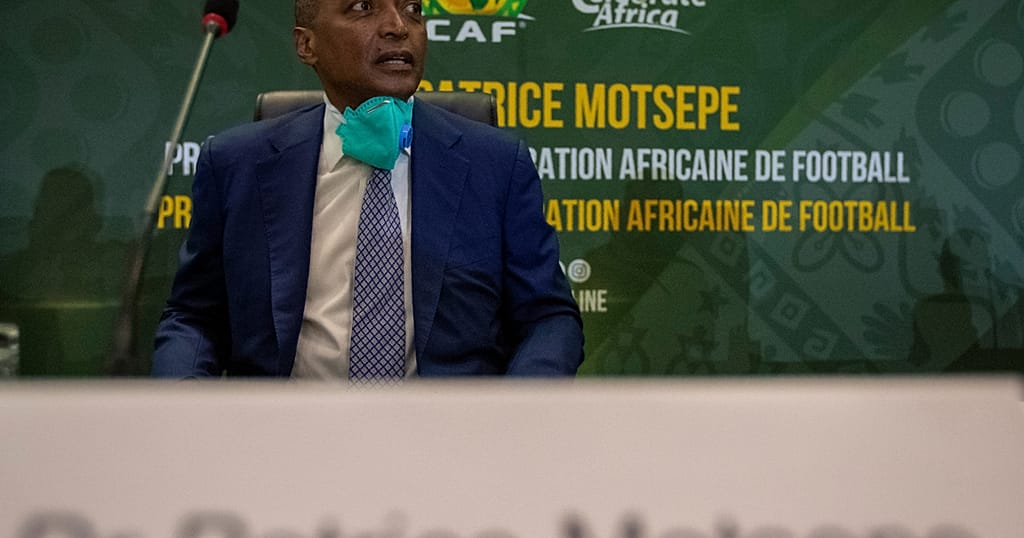
The Confederation of African Football "unanimously reconfirmed" backing for embattled Gianni Infantino, thanking him for supporting the sport on the continent.
[RFI] Gianni Infantino's position as world football's most powerful administrator appeared more secure on Thursday after senior Fifa executives backed him to remain president despite his failed attempt to overhaul the commercial operations behind competitions including the World Cup.