Featured update
TV segment
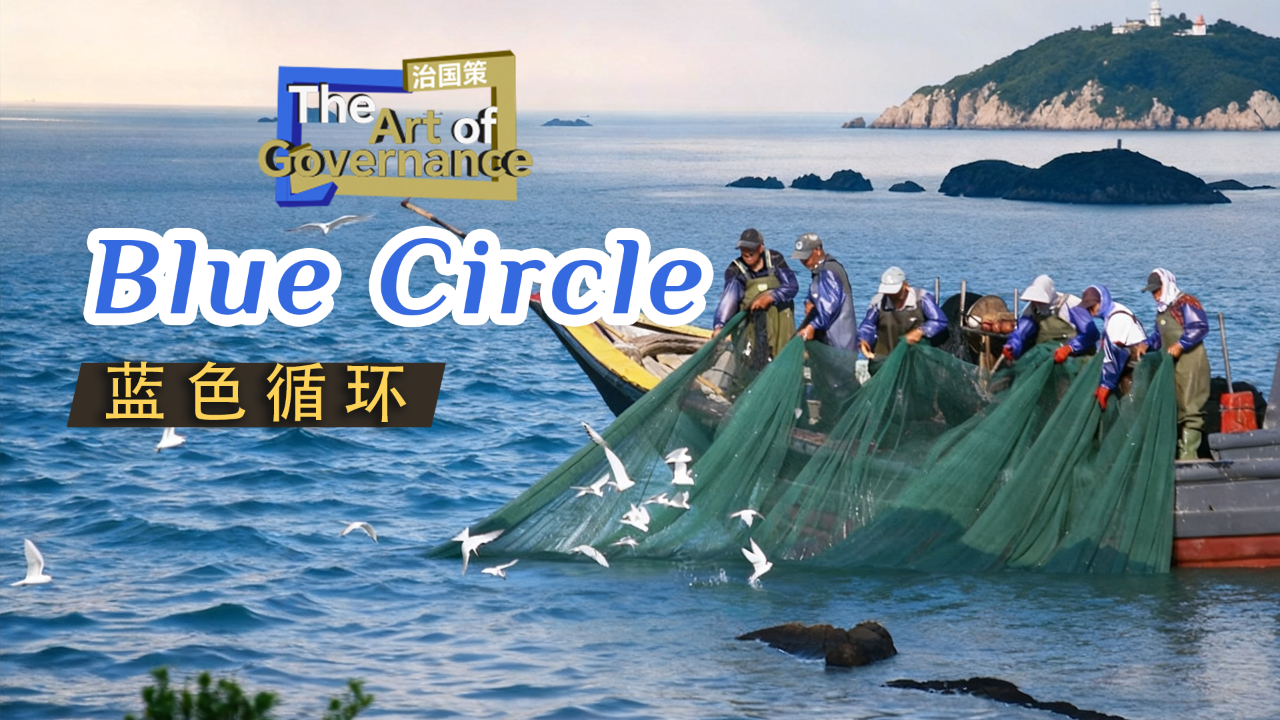
Every minute, enough solid waste to fill a garbage truck is dumped into the sea around the world.


TV segment
Every minute, enough solid waste to fill a garbage truck is dumped into the sea around the world.
TV segment
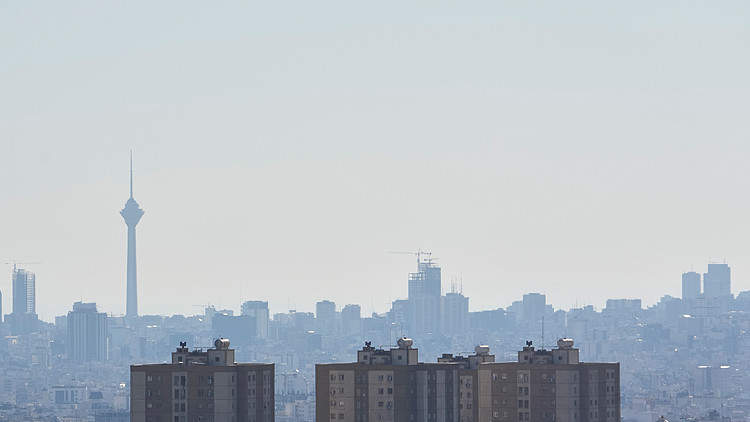
US President Donald Trump announced on social media on Saturday that he canceled the trip of US representatives going to Islamabad, Pakistan, to meet with the Iranian side.
TV segment
US President Donald Trump announced on social media on Saturday that he canceled the trip of US representatives going to Islamabad, Pakistan, to meet with the Iranian side.
TV segment
Join our livestream to watch the cub climb, feed, play and interact with keepers — and get a glimpse into its early life journey.

TV segment
Join our livestream to watch the cub climb, feed, play and interact with keepers — and get a glimpse into its early life journey.
TV segment
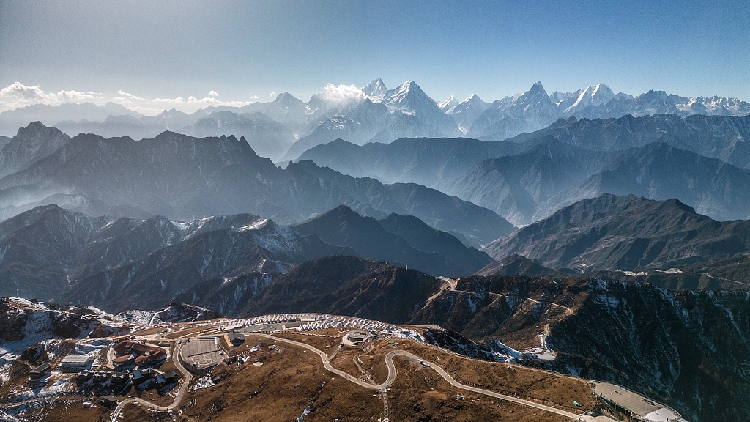
Sichuan is famous for many things, and Niubeishan is one of them. Once known to a few, Niubeishan is possibly one of the best places in Sichuan Province to enjoy great mountain views.
TV segment
Sichuan is famous for many things, and Niubeishan is one of them. Once known to a few, Niubeishan is possibly one of the best places in Sichuan Province to enjoy great mountain views.
Audio program
A new UN resolution is bringing renewed attention to the legacy of the transatlantic slave trade. On March 25, 2026, the UN General Assembly recognized it as the "gravest crime against humanity," reigniting calls for reparations, and debate over who should be held responsible. What comes next? And how does the legacy of slavery still shape Africa today?
TV segment
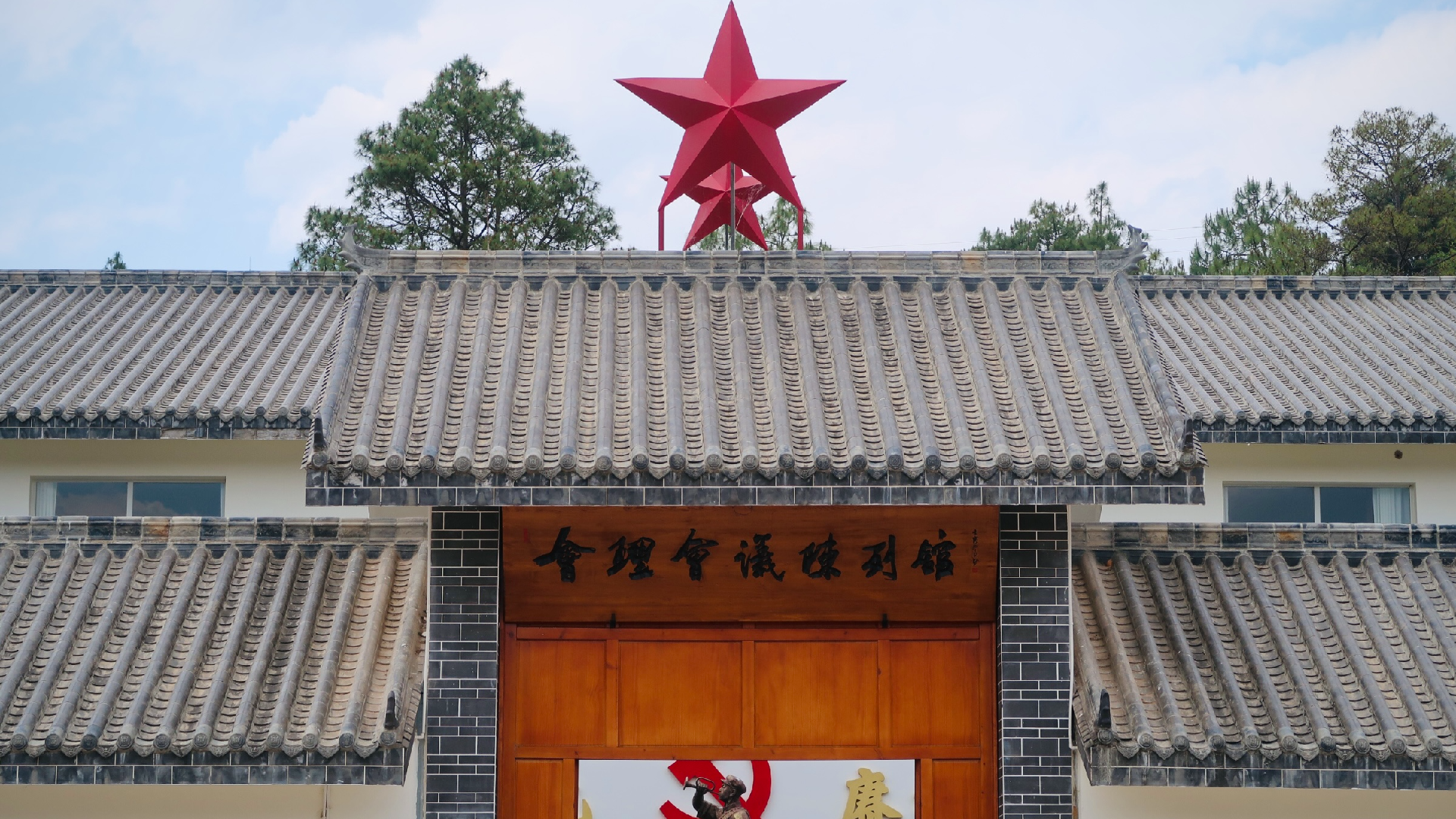
In May 1935, after crossing the Jinsha River, the Central Red Army reached the Huili area in southern Sichuan. At this stage, the troops were exhausted from months of fighting and marching, and some commanders had even begun to doubt the strategy of mobile warfare adopted at the Zunyi Conference.
TV segment
Huili Ancient Town, at the southern tip of Sichuan Province, was established in the Western Han Dynasty (111 BCE). It was a key stop on the Southern Silk Road, an ancient trade route to Southeast Asia. Huili is the only well-preserved Ming Dynasty military guard town. The town is laid out around a Bell and Drum Tower (built 1723–1735), with streets leading to four gates. The northern gate tower, Gongji Tower (first built in 1398), has a rare structure: Yuan Dynasty foundations and Ming upper parts—known as "Yuan foundation with Ming superstructure."
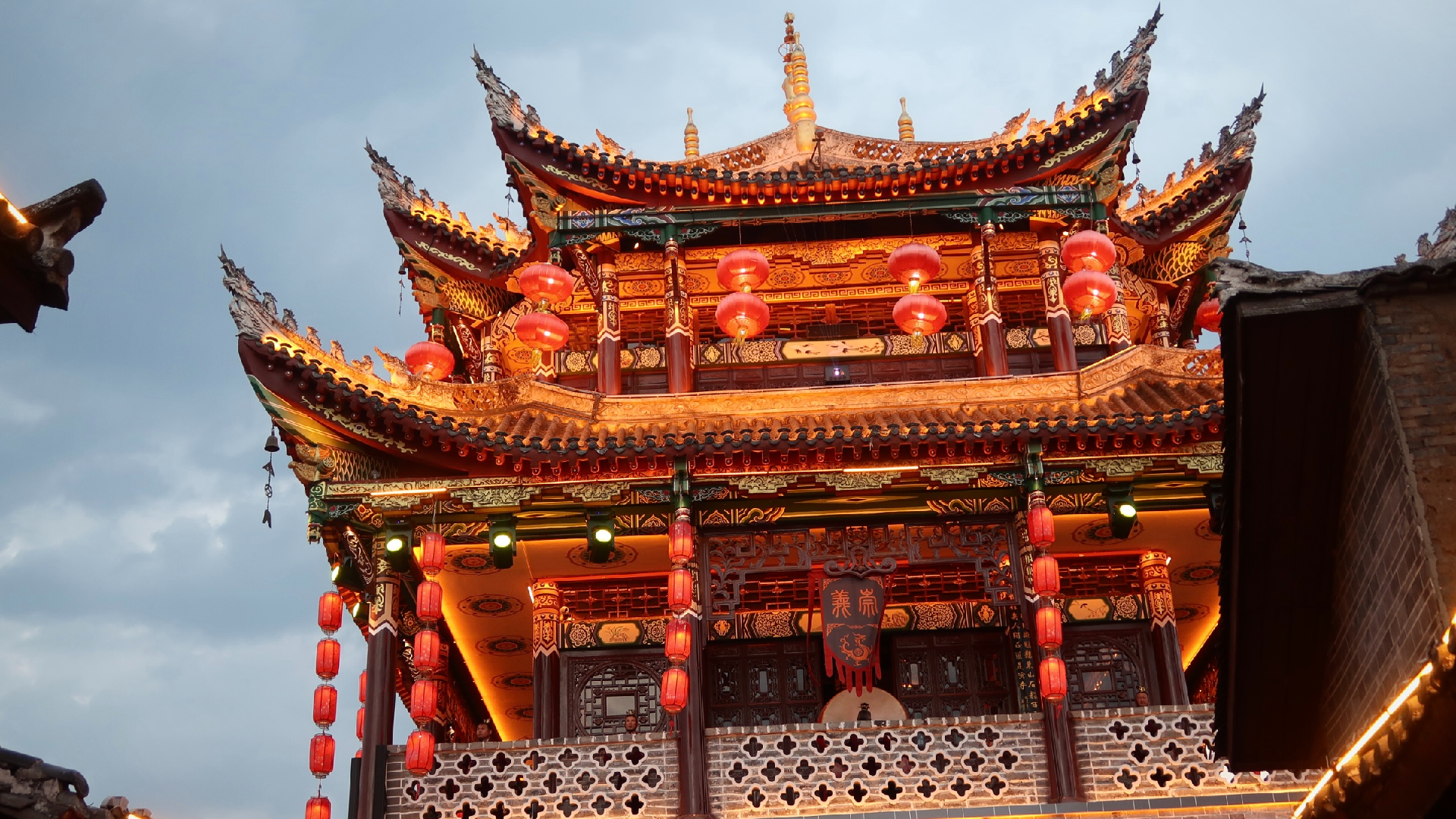
TV segment
In the spring of 1935, the Central Red Army found itself trapped deep in the mountains of southwestern China. Surrounded by hundreds of thousands of enemy troops, they faced the possibility of total annihilation. To survive, they needed to break out. The decision was made to cross the Jinsha River, the upper stretch of the mighty Yangtze River.
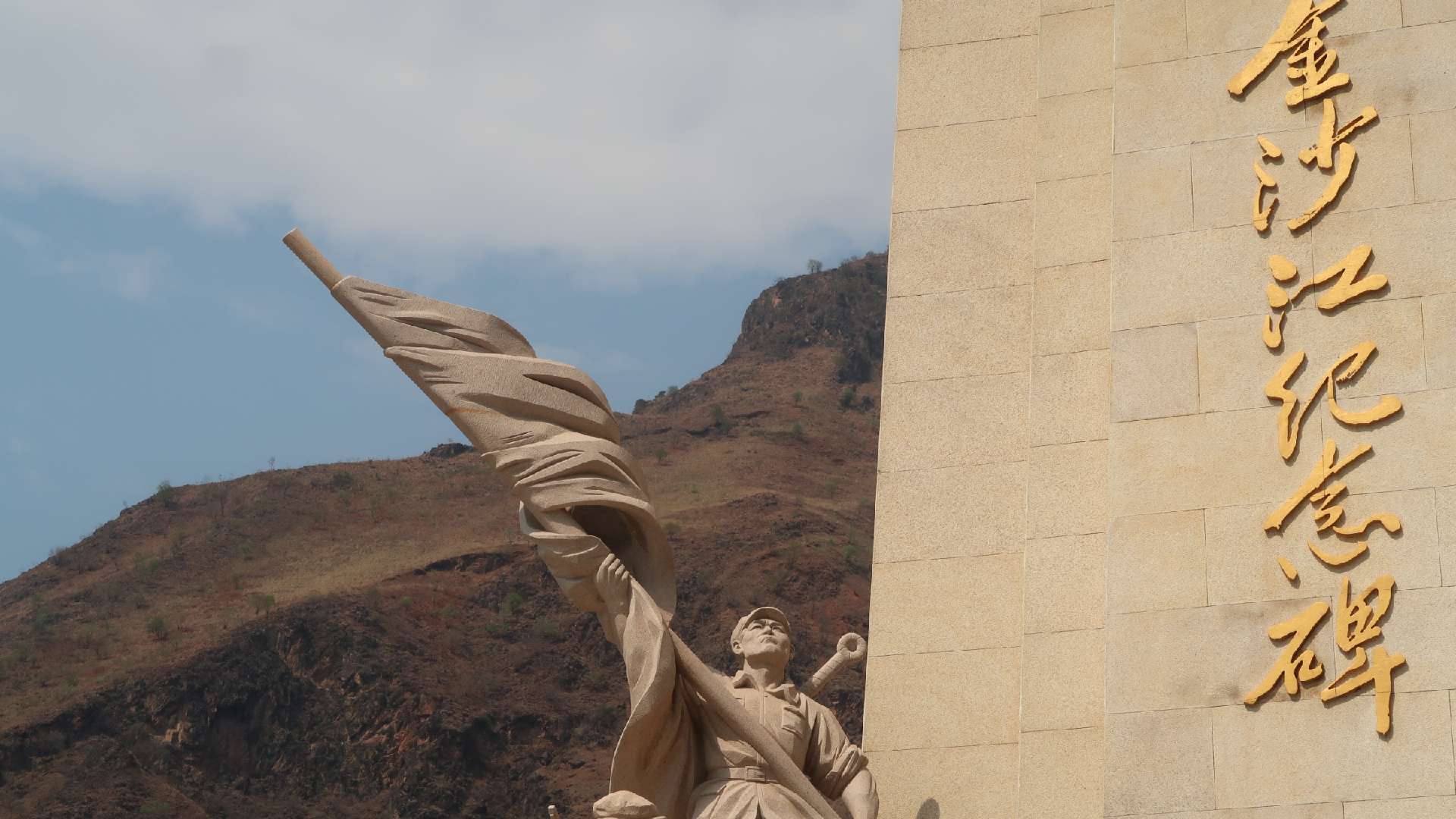
TV segment
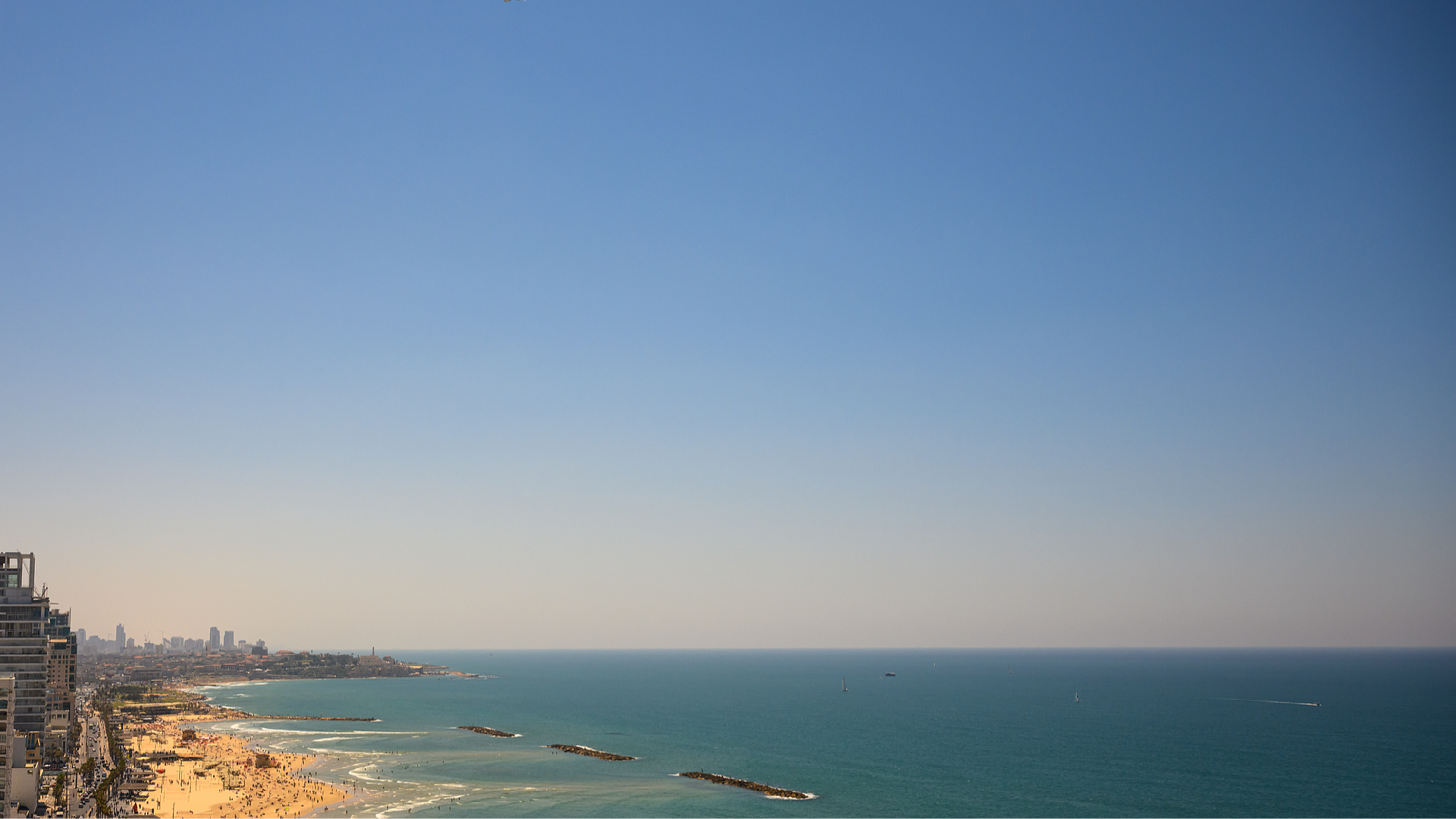
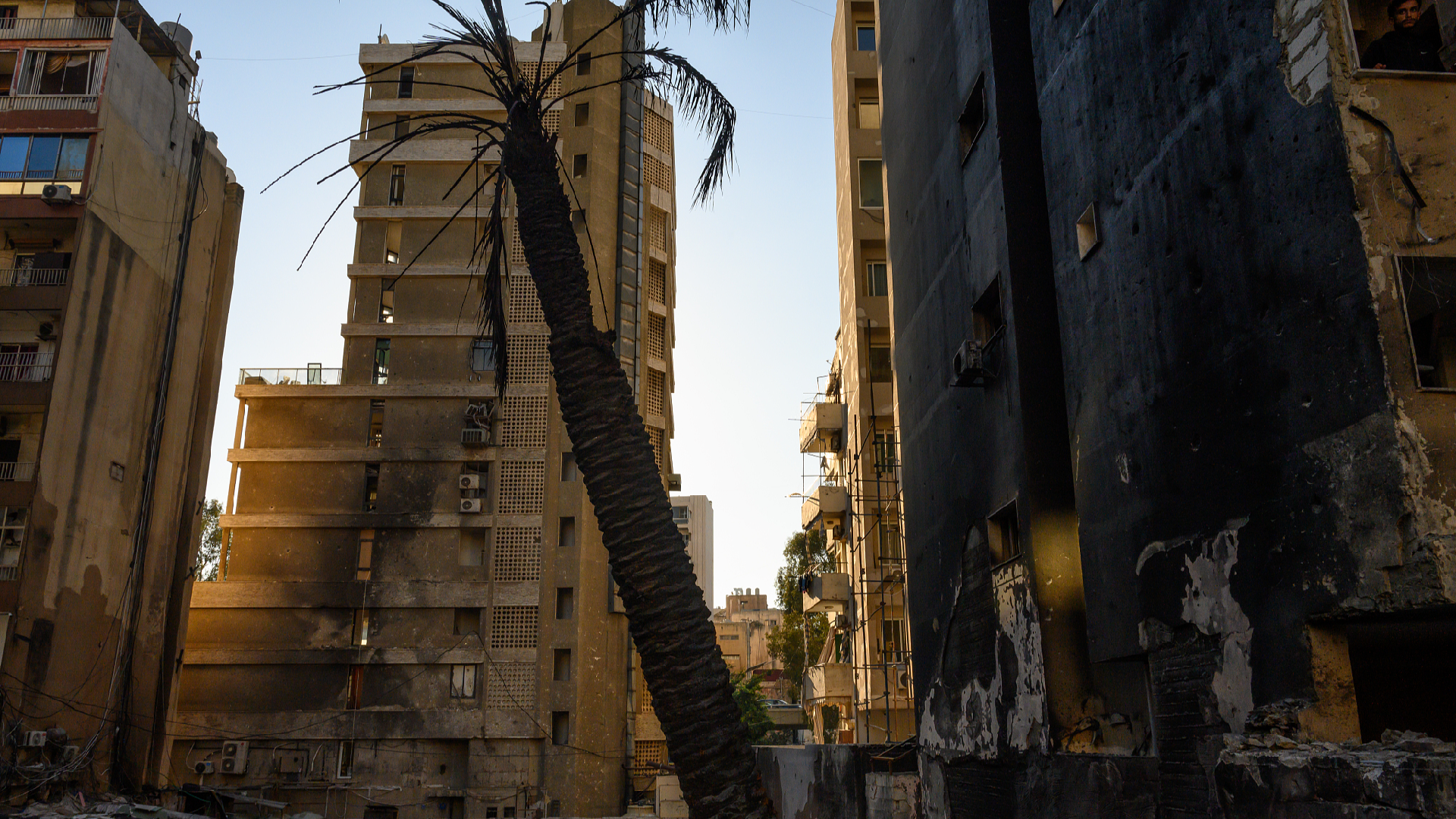
US President Donald Trump announced on Thursday that the current 10-day ceasefire between Israel and Lebanon will be extended by three weeks.

TV segment
US President Donald Trump announced on Thursday that the current 10-day ceasefire between Israel and Lebanon will be extended by three weeks.
TV segment
The Art of Governance: How China Is Learning to Embrace its Deserts

TV segment
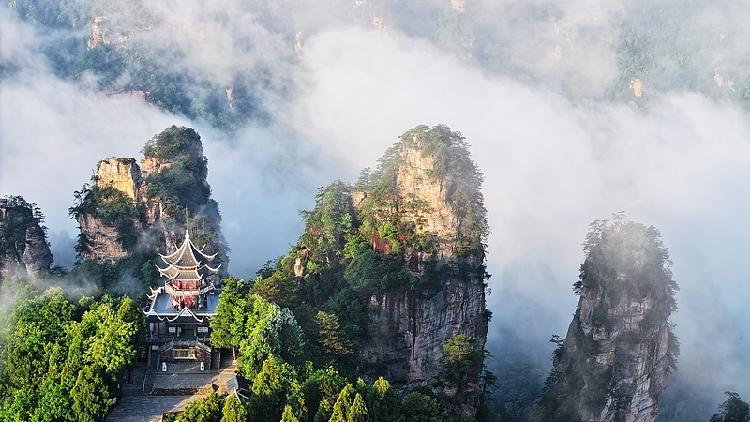
More than just a scenic overlook, it serves as a perfect vantage point where visitors can fully appreciate the harmony between human craftsmanship and natural wonder.
TV segment
More than just a scenic overlook, it serves as a perfect vantage point where visitors can fully appreciate the harmony between human craftsmanship and natural wonder.
 ×
×
×
×
×
×
×
×