Featured update
TV segment
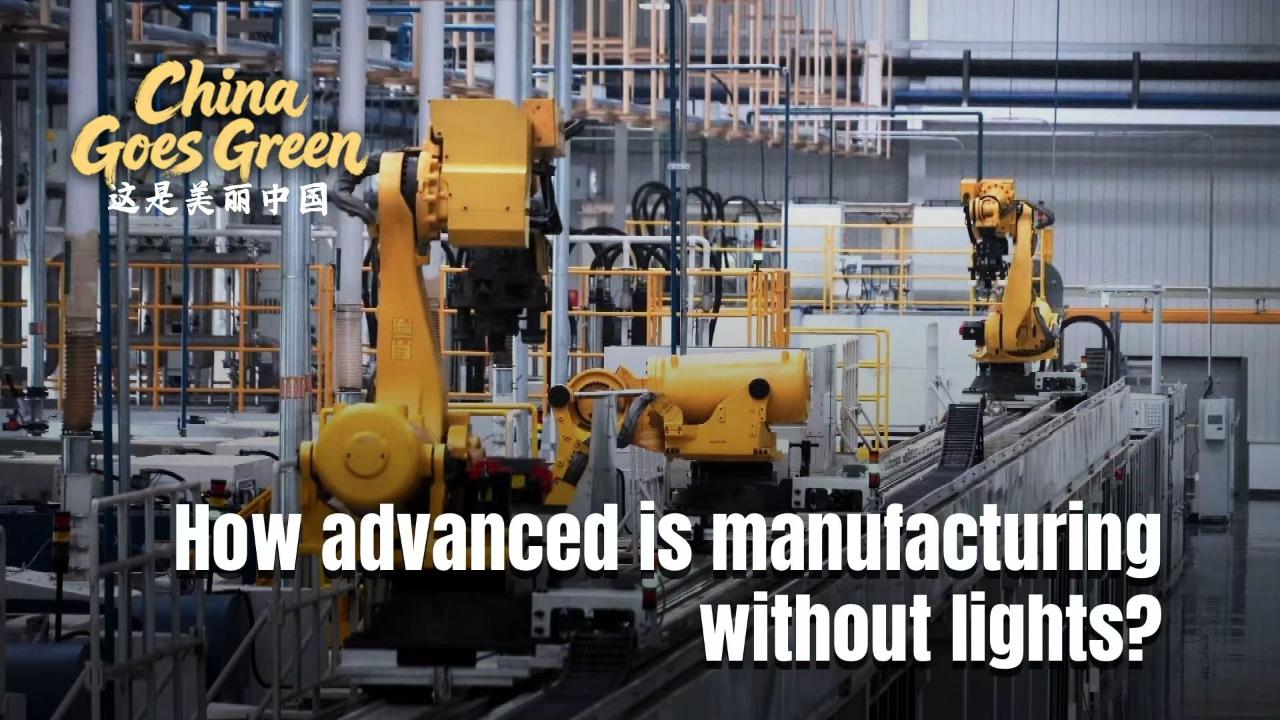
How advanced is manufacturing without lights?


TV segment
How advanced is manufacturing without lights?
TV segment
Join us for an in-depth exploration of the people-centered approach that is transforming China's national aspirations into a shared reality.
TV segment
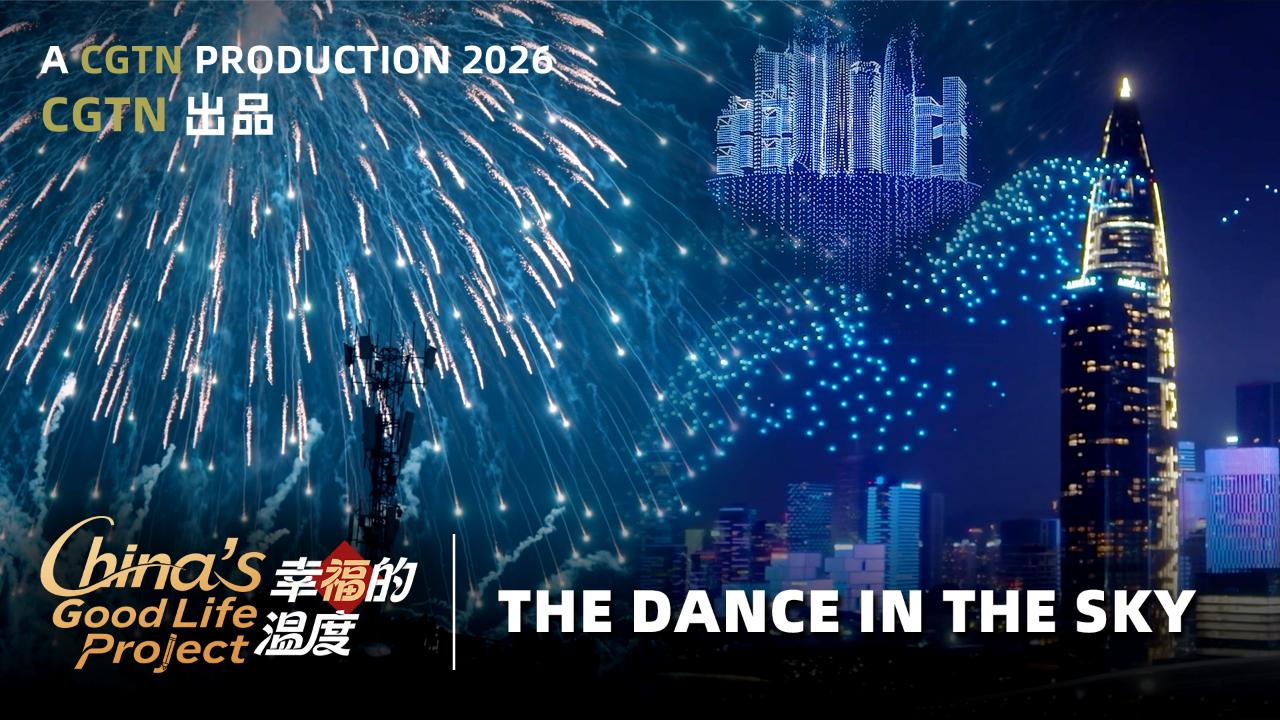
By modernizing traditional craftsmanship and cultivating emerging sectors like drone technology, China is using the sky as a stage to showcase its cultural pride and industrial might.
TV segment
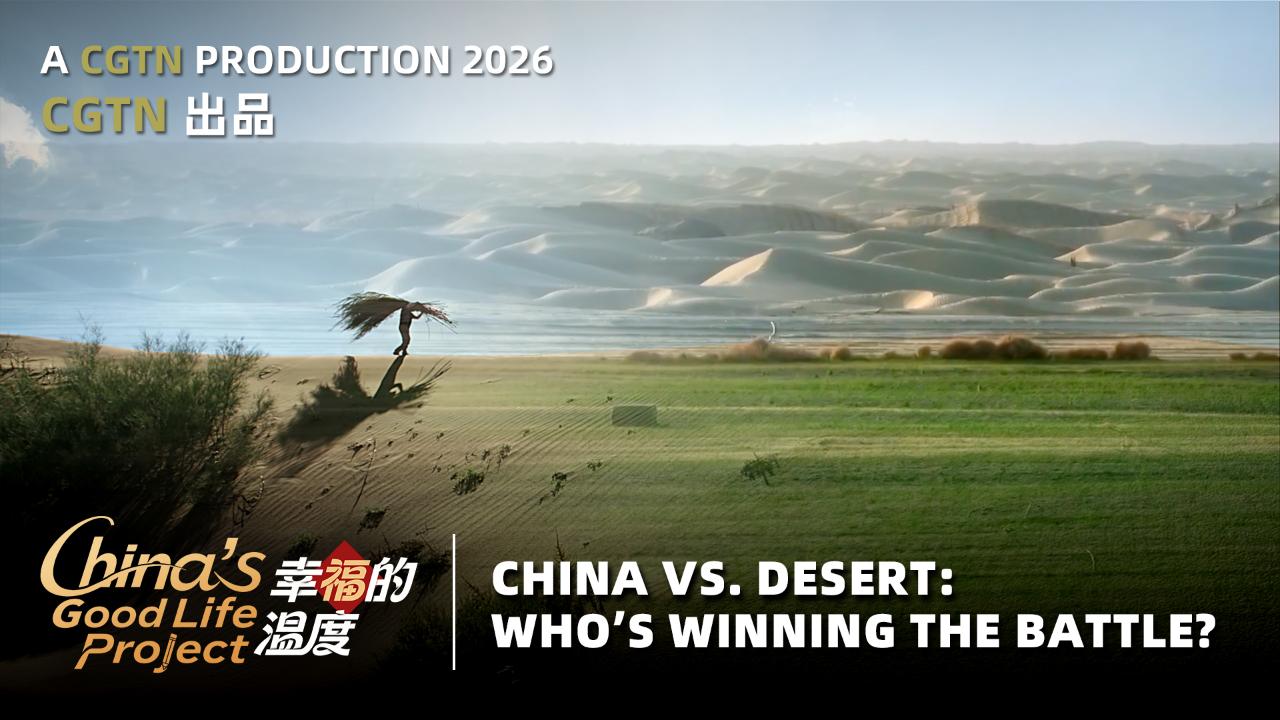
Transform the world's second-largest shifting sand desert into "gold" through sustainable green industry.
TV segment
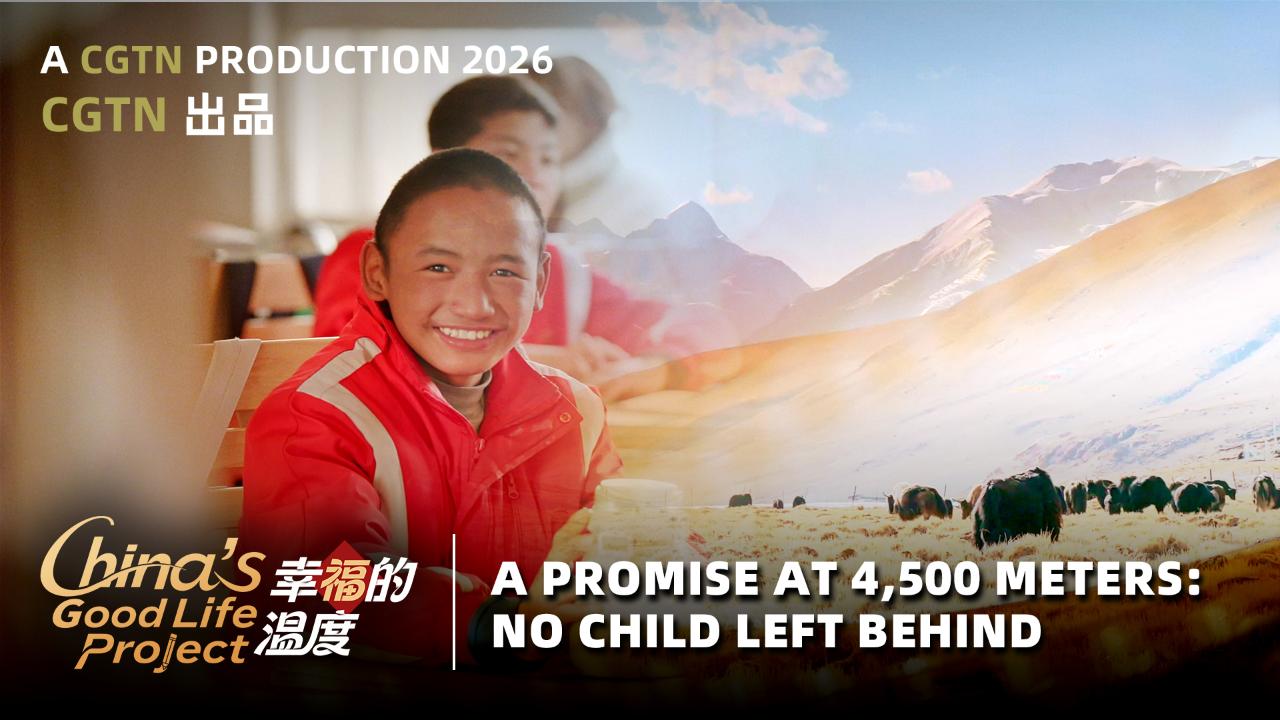
Here's a school dedicated to fostering essential life skills for children with disabilities, while ensuring specialized door-step education and rehabilitation services—making sure that no child is left behind.
Audio program
Starting May 1, 2026, China will eliminate tariffs on all imports from the 53 African countries with which it has diplomatic relations, a move expected to accelerate industrialization and economic development across the continent. The policy comes as China enters its 15th Five-Year Plan cycle, a period set to emphasize high-quality growth, stronger domestic demand, and a deeper level of opening-up. What impact will this comprehensive zero-tariff arrangement have on African economies and on broader global trade dynamics?
TV segment
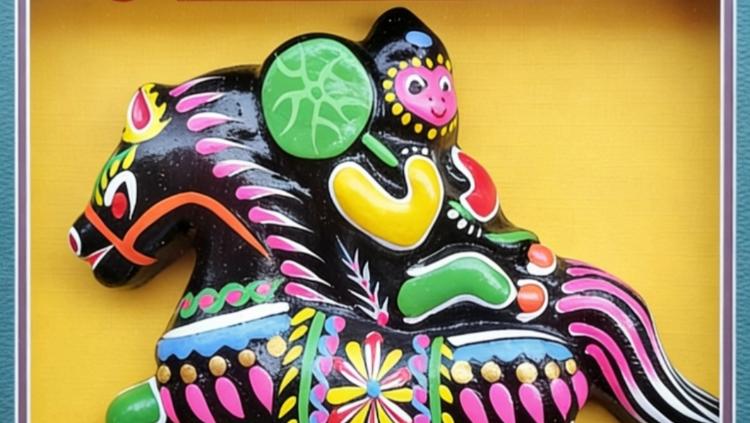
For over 6,000 years, the temple fair at Taihao Mausoleum in Zhoukou, Henan, has brought people together. What was once a simple "Ni Ni Dog" clay whistle is now recognized as intangible cultural heritage. Dirt paths have given way to clean, wide streets, yet the fair still carries prayers, family wishes, and childhood memories. The temple fair remains the same, while the hometown quietly transforms.
TV segment
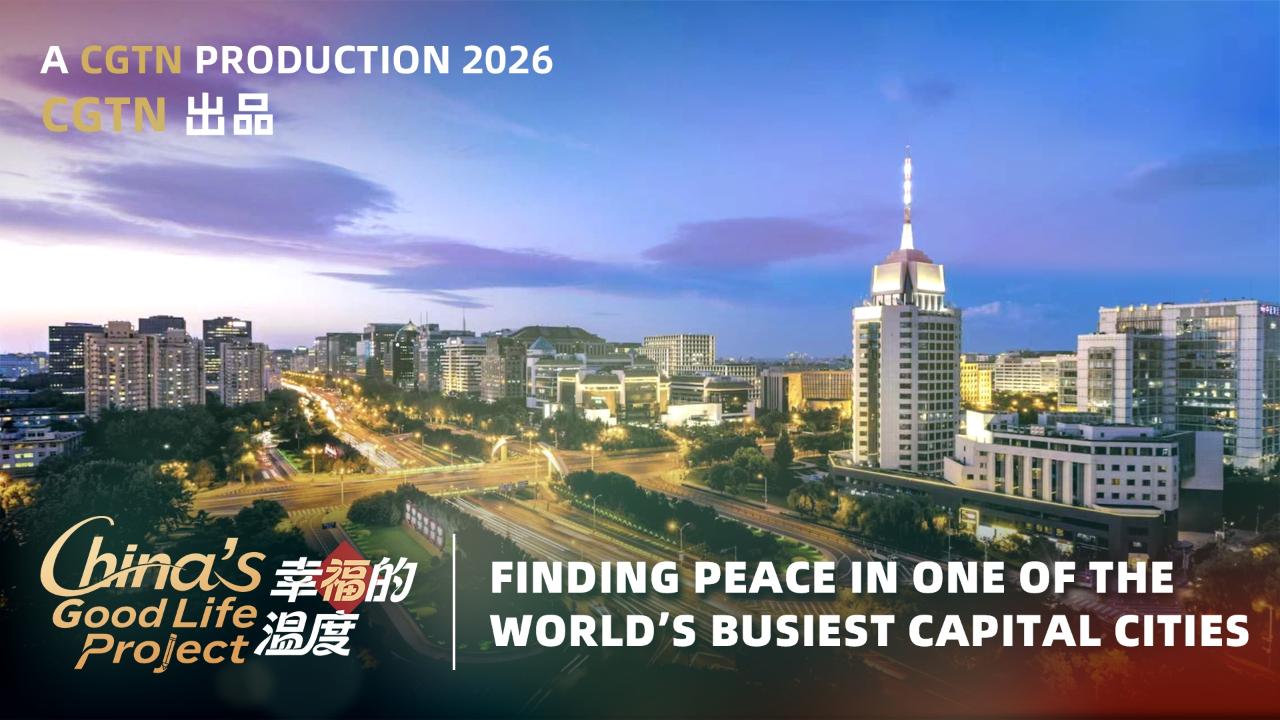
A young student's right to a quiet living space are up against others' rights to exercise in public areas. With both sides locked in dispute, how will the issuebe resolved?
TV segment
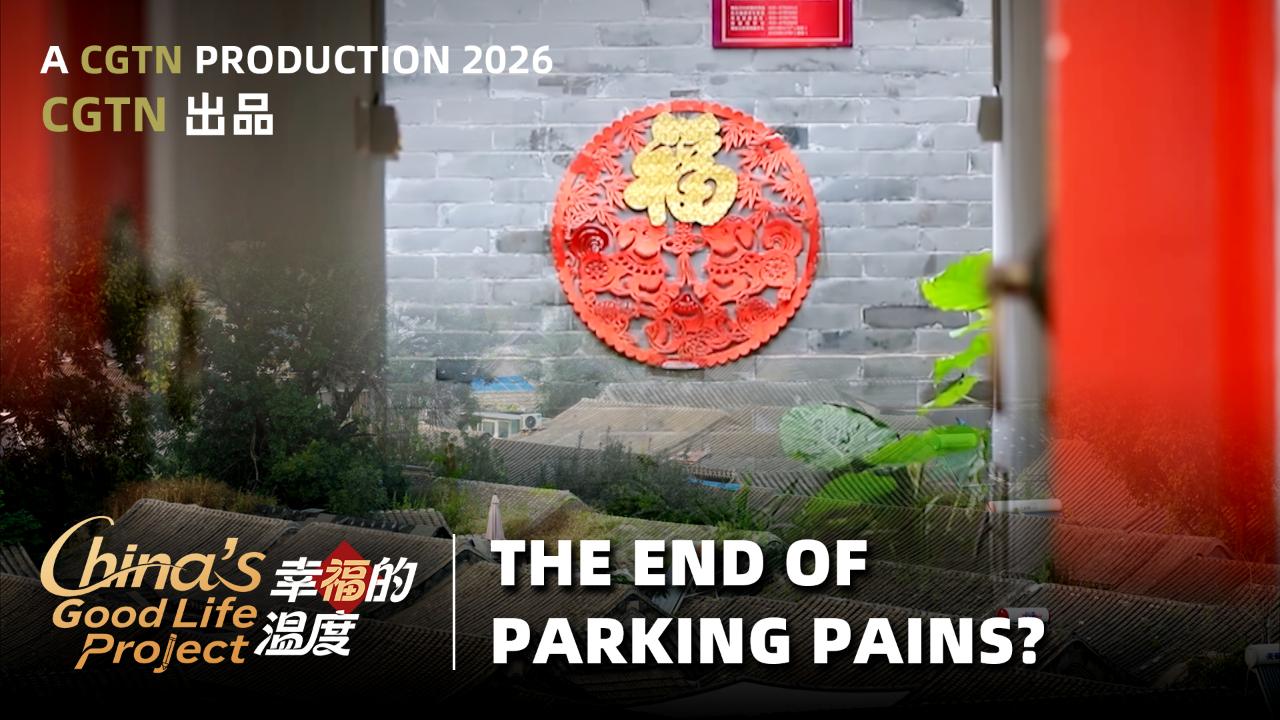
In Beijing's Caochang Hutong, insufficient parking has long troubled its residents. How was the issue resolved?
Audio program
Happy Chinese New Year! The annual celebration of Chinese New Year has evolved into a powerful symbol of the deepening ties between China and Africa. As we welcome the Year of the Horse, we explore the symbolic meaning of the horse in both Chinese and African traditions and key themes and milestones lie ahead for China-Africa relations in the new year.
Audio program
South Africa and China have signed a framework trade and investment deal aimed at expanding bilateral economic ties. The agreement is expected to grant more South African exports duty-free access to the Chinese market and facilitate increased Chinese investment. What does the signing of the deal signal about how China and South Africa are prioritizing the growth of trade and investment ties, especially in the context of the current international economic environment?
TV segment
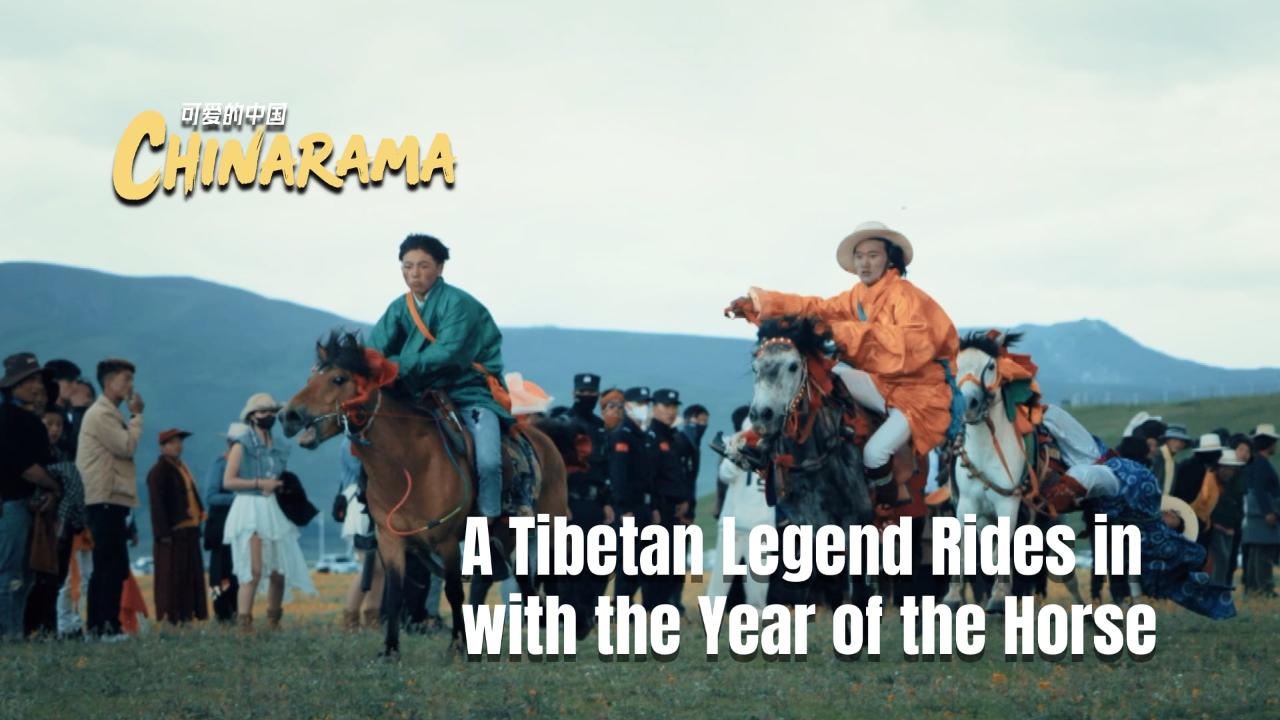
A Tibetan legend rides in with the Year of the Horse
TV segment
Hey Horses | Discover the Przewalski's horse in golden deserts

TV segment
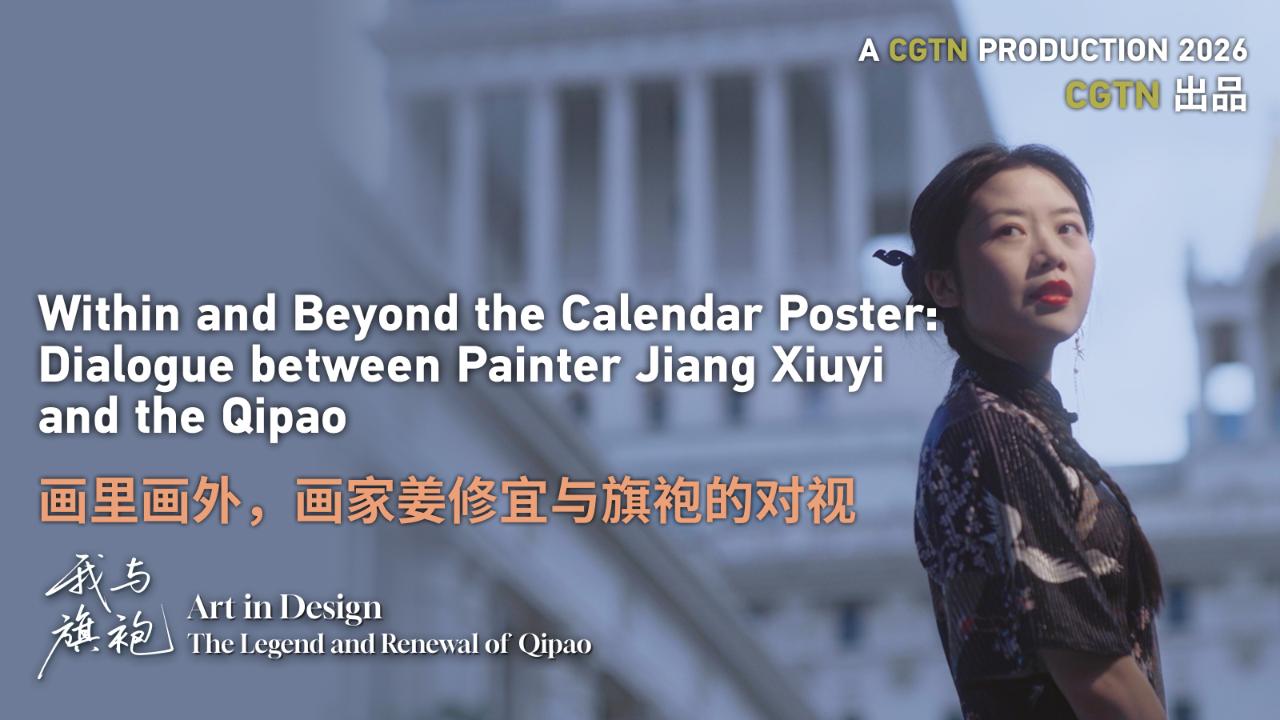
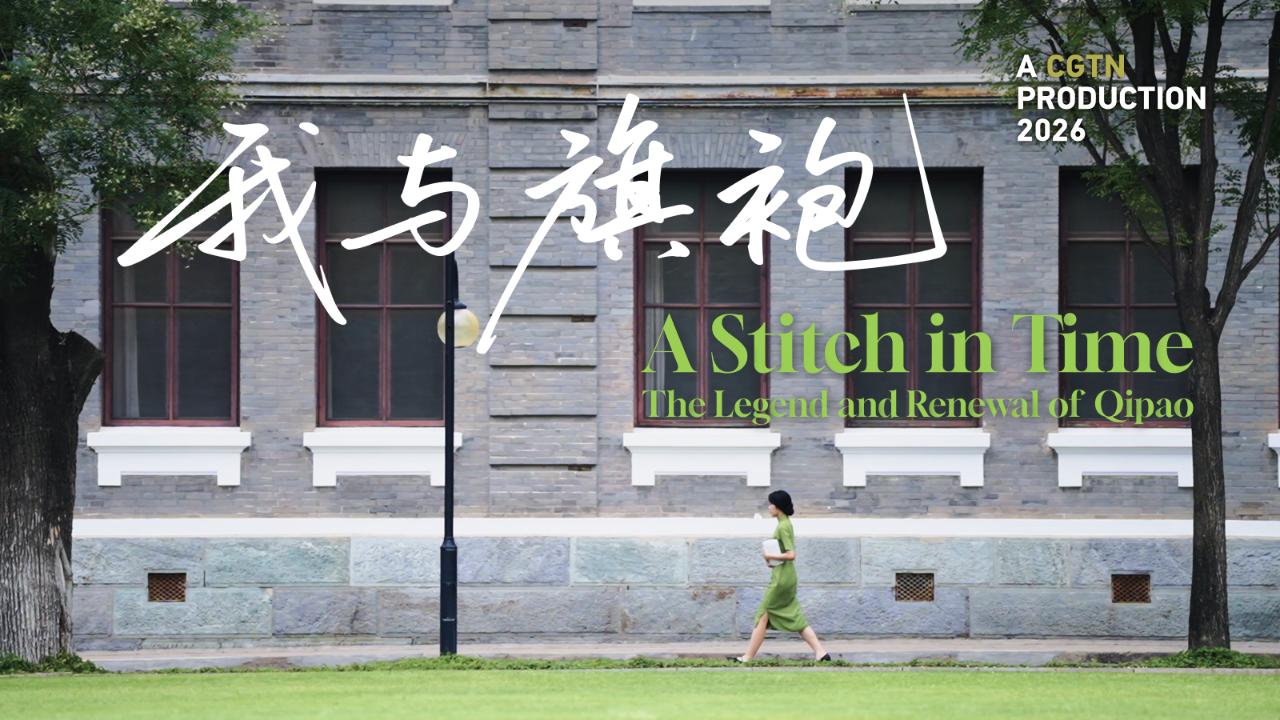
In Shanghai, painter Jiang Xiuyi dons a qipao once again. In the elegant Chinese dress, she steps into the world of her artwork, which draws inspiration from the qipao-clad beauties of 1930s Shanghai advertisements.
TV segment
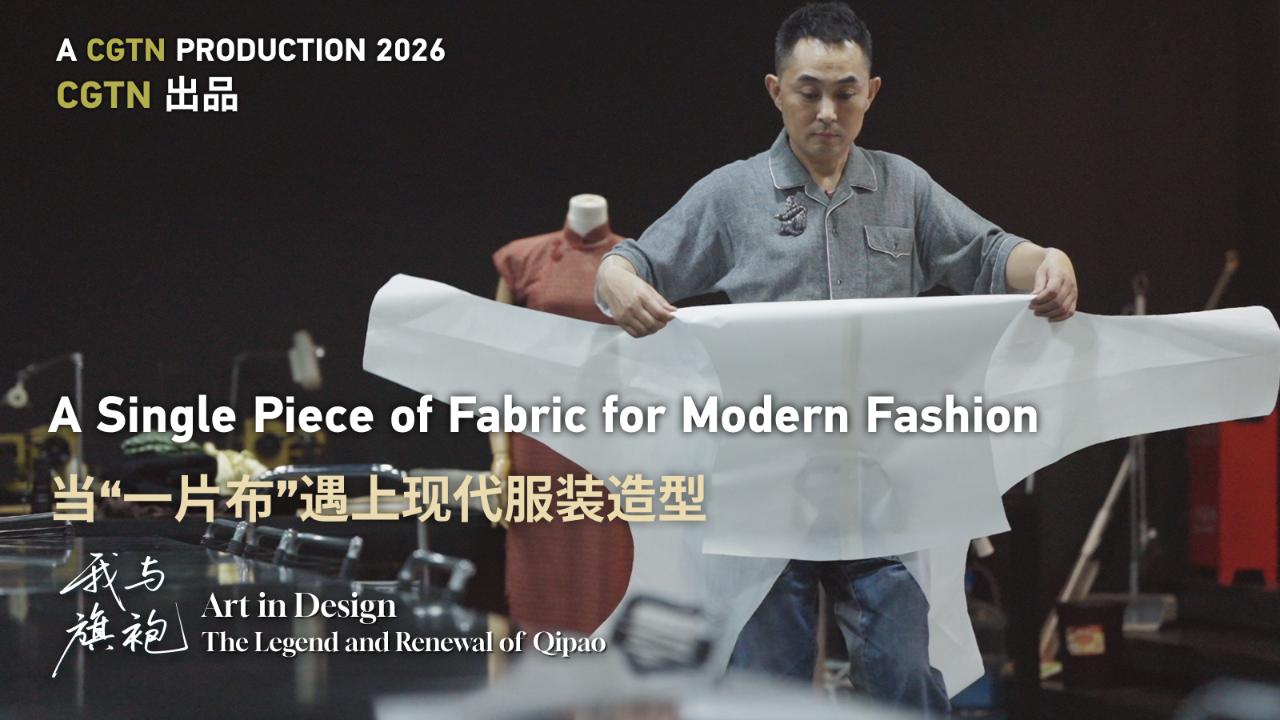
Professor Li Yingjun of Tsinghua University explores the structural logic of the qipao: a traditional style of Manchu dress.
TV segment
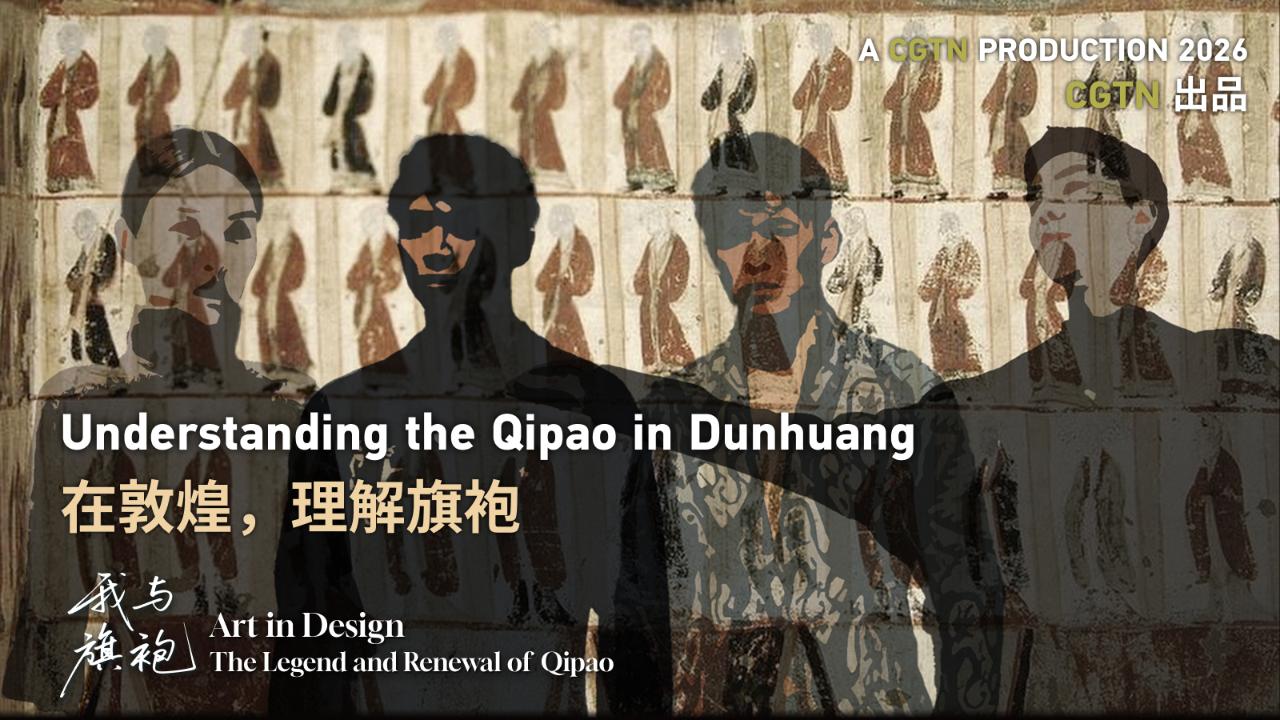
Though the qipao dress rose to prominence in Shanghai, Professor Li Yingjun instead centers his research on Dunhuang.
Audio program
Recently, Zimbabwean war veterans wrote to Chinese President Xi Jinping to express their gratitude for China's support during Zimbabwe's liberation struggle. In his January 28 reply, President Xi commended the veterans for dedicating their youth to the cause of national liberation and for forging a profound friendship with the Chinese people along the way. How did China and Zimbabwe work together during the liberation era, and what lasting legacy has that solidarity produced, especially for younger generations?
TV segment
In 1920s and ’30s, the qipao dress was not only everyday fashion in Shanghai but also an icon through which the world came to know China.
TV segment
A high-altitude miracle: Alfalfa in Ali

TV segment
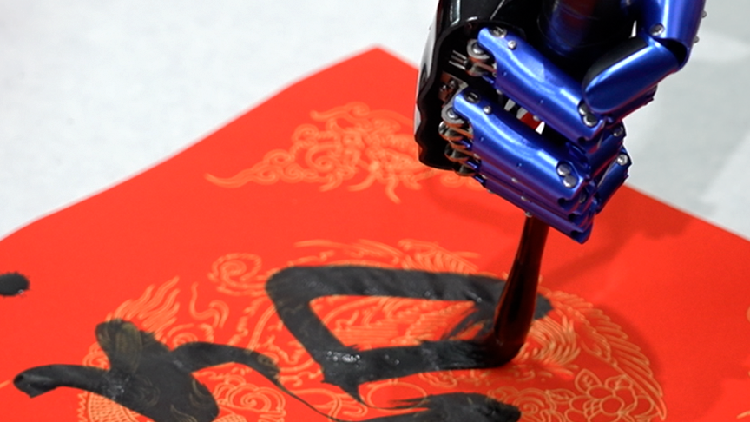
Recently, in Hefei, Anhui Province, at the the Embodied Intelligent Robotics Data Collection Training Center, also known as Robot University—robots are undergoing intensive training instead of traditional classes.
 ×
×
×
×
×
×
×
×