Featured update
In Minas Gerais, Brazil, a catingueiro shares his home with the memory of his ancestors and generations of plant varieties.



In Minas Gerais, Brazil, a catingueiro shares his home with the memory of his ancestors and generations of plant varieties.
Ecuador is debating how to regulate artificial intelligence:, institutional gaps, and tensions between innovation, surveillance, education, inclusion, and responsible public governance are at the center of the conversation.

A local agricultural collective in Barra do Turvo, Brazil, outside of São Paulo, is empowering women to earn an income, farm their own produce to promote self-sufficiency, and diversify crops.

The North Aral is the only remaining heir to the once mighty and plentiful Aral Sea, deserving of every effort to save it - even without long-term assurances.

According to the Integrated Food Security Phase Classification, in May 2026, Somalia is facing one of the worst food crises in its history.

These success stories are a model for community-rooted conservation and population revival that could help other countries and regions rebuild their withering ecosystems.

IQAir, a Swiss company that measures global air quality, regularly designates Kazakhstan, Kyrgyzstan, and Uzbekistan’s major cities as having “very unhealthy” or “hazardous” air.

"The Digital Nation is a new way to fight, adapt and protect our identity and sovereignty. It is about taking control, shaping our future and keeping our roots alive."

"Pilru — Songs of resistance is a community-led initiative dedicated to documenting, protecting, and reclaiming the handcrafted musical instrument passed across generations by Adivasi Tharu and Kumhar communities of the Tarai"

Cholera, dengue, and respiratory illness are rising in Yemen where conflict and climate stress meet. Local communities are responding with practical solutions.

Hong Kong environmental groups work with community and grassroots organizations to advocate for safety nets and inclusive climate action to help the vulnerable withstand heat hazards.

Carmen Navas’s passing reveals alleged institutional coverups, deepening concerns about repression, impunity, and Venezuela’s ongoing democratic collapse.

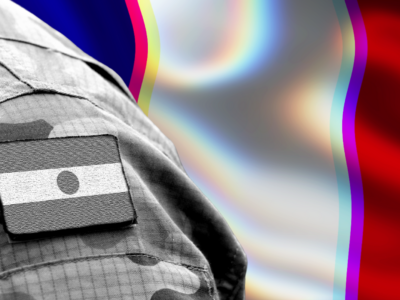
The coup d'état on July 26, 2023, which ousted President Mohamed Bazoum, confirmed the Nigeriens’ resolve to sever all ties with France.
Gaza’s schools became displacement shelters. Months later, hundreds of families share a single space with no doors, no corners, and no moments alone.

Bolivia’s 2024 wildfires devastated Santa Cruz, but Indigenous Chiquitano and Monkox communities led recovery through collective organization, ancestral knowledge and fire management strategies, and revived food systems amid delayed state response.

A March 2026 study by the Institute of Development Studies (IDS) and the African Digital Rights Network found that 11 African governments had collectively spent more than USD 2 billion on AI-powered surveillance systems.

In a patch of green on Damascus's edge, volunteers and farmers are bringing back the local seeds that war and climate crisis nearly erased.

In the last decade in Brazil, transphobia has become one of the main tools for disseminating misinformation. In many cases, it is spread by elected politicians with millions of followers

Three Dominican ecologists and environmental managers explore how protecting ecosystems, conserving resources, and promoting sustainability represent meaningful acts of patriotism that safeguard communities, biodiversity, and future generations across the nation.

Mere repetition of information increases perceptions of consensus. People judge repeated claims as more widely believed, regardless of whether they are true or false.

 ×
×
×
×
×
×
×
×