
[The Conversation Africa] The three major credit rating agencies - Moody's, S&P Global and Fitch - have often differed among themselves when rating African institutions and countries. Their opinions don't have to be aligned, but a huge gap in the ratings suggests inaccuracies in the analyses.
[UN News] The number of new cancer cases worldwide could rise to almost 35 million a year by 2050 unless countries take urgent action to strengthen prevention, early diagnosis and treatment, the World Health Organization (WHO) warned on Wednesday.
[Daily News] Arusha -- THE first ever African Pollination Summit to be held on the Continent is taking place in Tanzania in September, 2026, focusing on the protection of important flora and fauna agents such as bees and butterflies.
[WHO] Resolution 62/27 on ''Human rights and neglected tropical diseases'' was adopted today by the Human Rights Council (HRC) at its sixty-second session in Geneva.
[Capital FM] Nairobi -- The question has followed African football for decades. Every four years, the World Cup arrives wrapped in optimism across the continent, only to end more often than not in familiar disappointment. Early exits, narrow margins, and the lingering sense of "what if" have defined the narrative.
[Leadership] One of the most troubling issues confronting the African continent today is the forced eviction and persecution of black African migrants in South Africa.
[New Times] In June, The New Times argued that open skies should become Africa's next great economic reform. Few would disagree. More flights, greater competition and easier movement of people are indispensable to trade, tourism and investment. The economic case has long been settled. The more pressing question is why, over two decades since African states adopted the Yamoussoukro Decision, ordinary Africans are still waiting to experience its promise.
[New Zimbabwe] The government says 78,112 Zimbabwean nationals have returned from South Africa since May amid fears of xenophobic attacks following threats by anti-migrant pressure groups.
[UN News] A new international coalition launched in Geneva on Tuesday is setting out to make sure children's safety and rights are not an afterthought as artificial intelligence reshapes how they learn, play and grow up.
[UN News] With fewer than five years left to achieve the Sustainable Development Goals (SDGs), a new UN report says sustained investment and international cooperation have improved billions of lives, but warns that governments must urgently accelerate action if the goals are to be met by their 2030 deadline.
[UN News] Fertility rates are falling worldwide not because young people are rejecting marriage, children or family life but because many are facing economic and housing constraints.
[The Conversation Africa] Young people in low- and middle-income countries appear generally more optimistic about how AI can enhance their work prospects and social lives than their western peers, according to our new survey of people in ten countries in Africa and South Asia.
[Daba Finance] Sub-Saharan Africa needs a new growth model to return to a path of income gains, the International Monetary Fund said, warning that public spending can no longer carry the region's expansion.
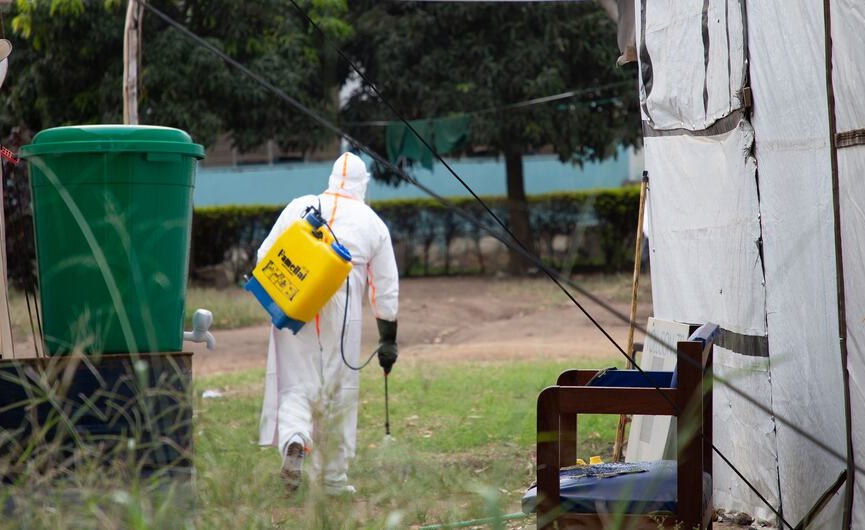
[CFR] The rapid spread of a rare Ebola strain through Central and East Africa is testing local public health authorities and raising concerns about the state of global health security.
[World Bank] Washington -- The World Bank Group has approved US$225 million in financing for the Integrated Urban Development and Resilience Project for Jobs (PRODUIRE2) to strengthen climate resilience, improve infrastructure, and create more and better jobs in Greater Antananarivo and Greater Toamasina.