Featured update
TV segment
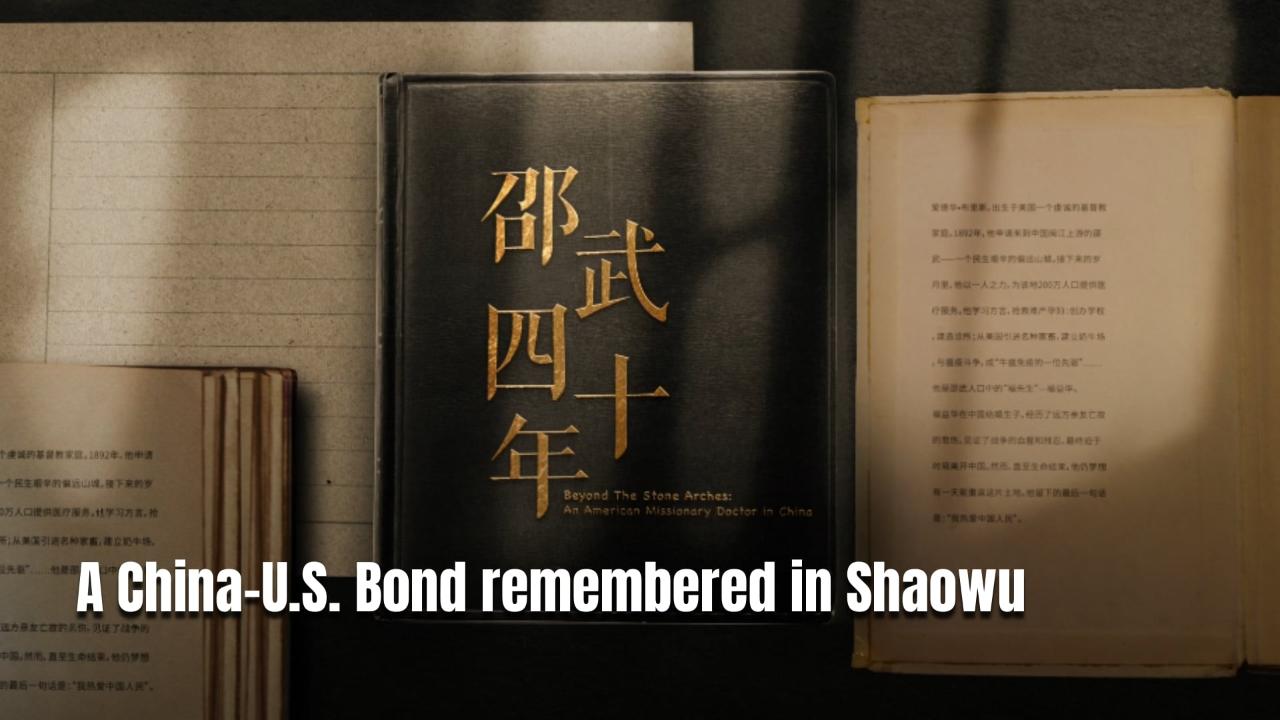
Unbreakable | A China-US bond remembered in Shaowu


TV segment
Unbreakable | A China-US bond remembered in Shaowu
TV segment
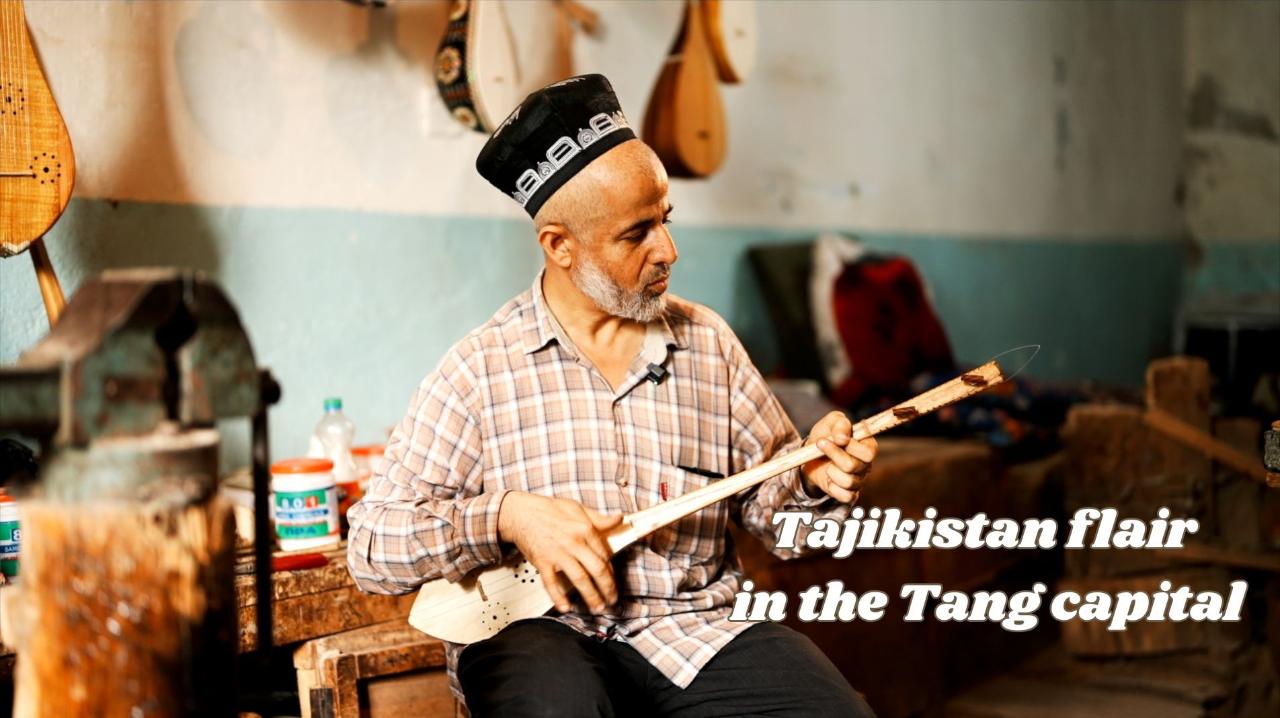
Tajikistan flair in the Tang capital
TV segment
At the 2026 China International Bicycle Fair, the exhibits go far beyond traditional two-wheelers — from foldable e-bikes designed for compact city living to electric-assisted mountain bikes and cargo bicycles reshaping metropolitan delivery systems.

TV segment
Under the theme Innovation-Driven, Intelligence-Led Future, the 2026 China International Bicycle Fair (CHINA CYCLE 2026) was held from May 5 to 8 at the Shanghai New International Expo Centre.

TV segment
Asia's widest IMAX in Guizhou redefines the immersive film experience

TV segment
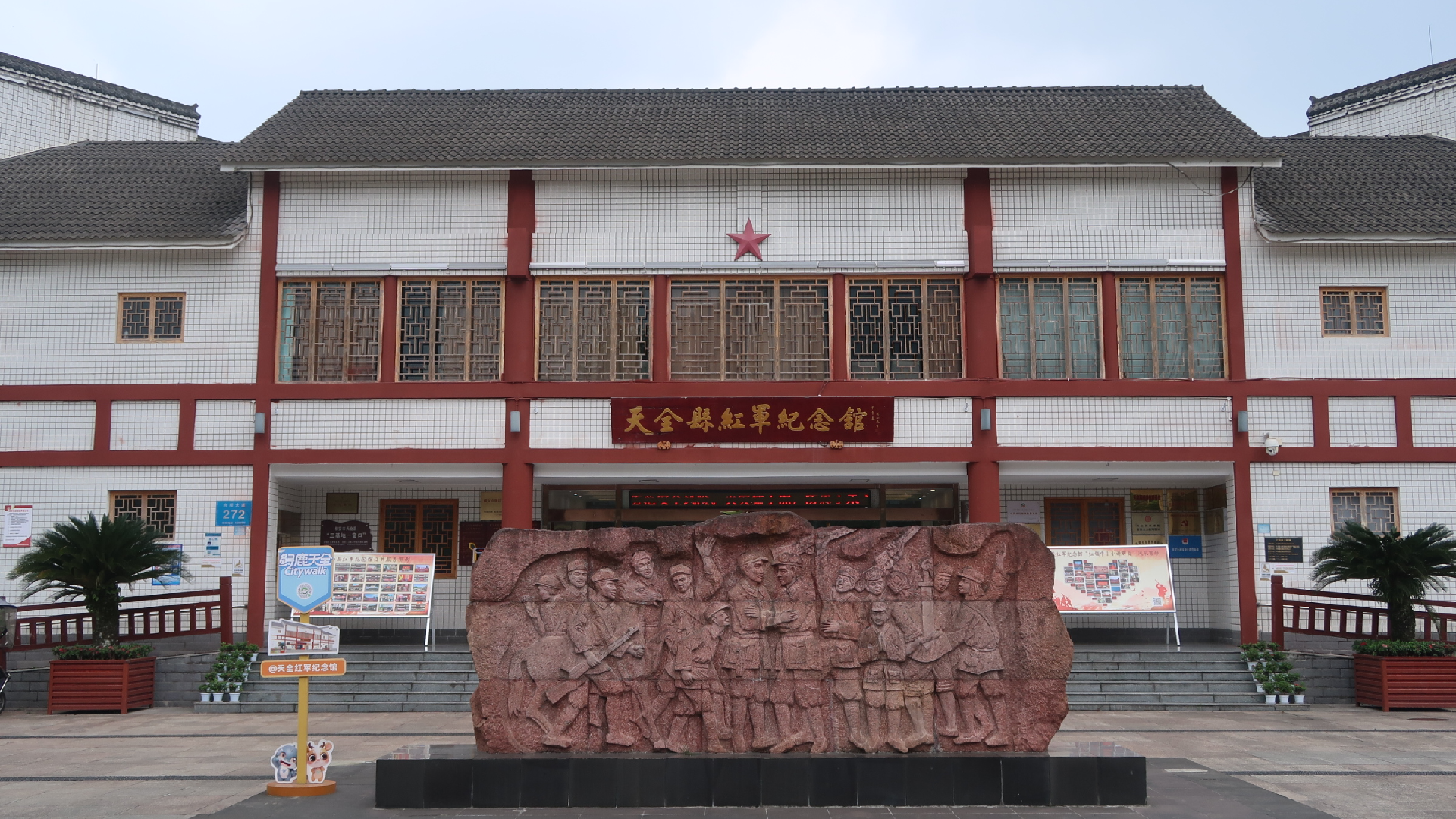
During the Long March, Tianquan County in western Sichuan served as an important rear base for the Red Army. In 1935, Red Army units established temporary headquarters there, setting up a military academy and a field hospital. The local population provided food, shelter, and labor, helping to care for the wounded and maintain supply lines.
TV segment
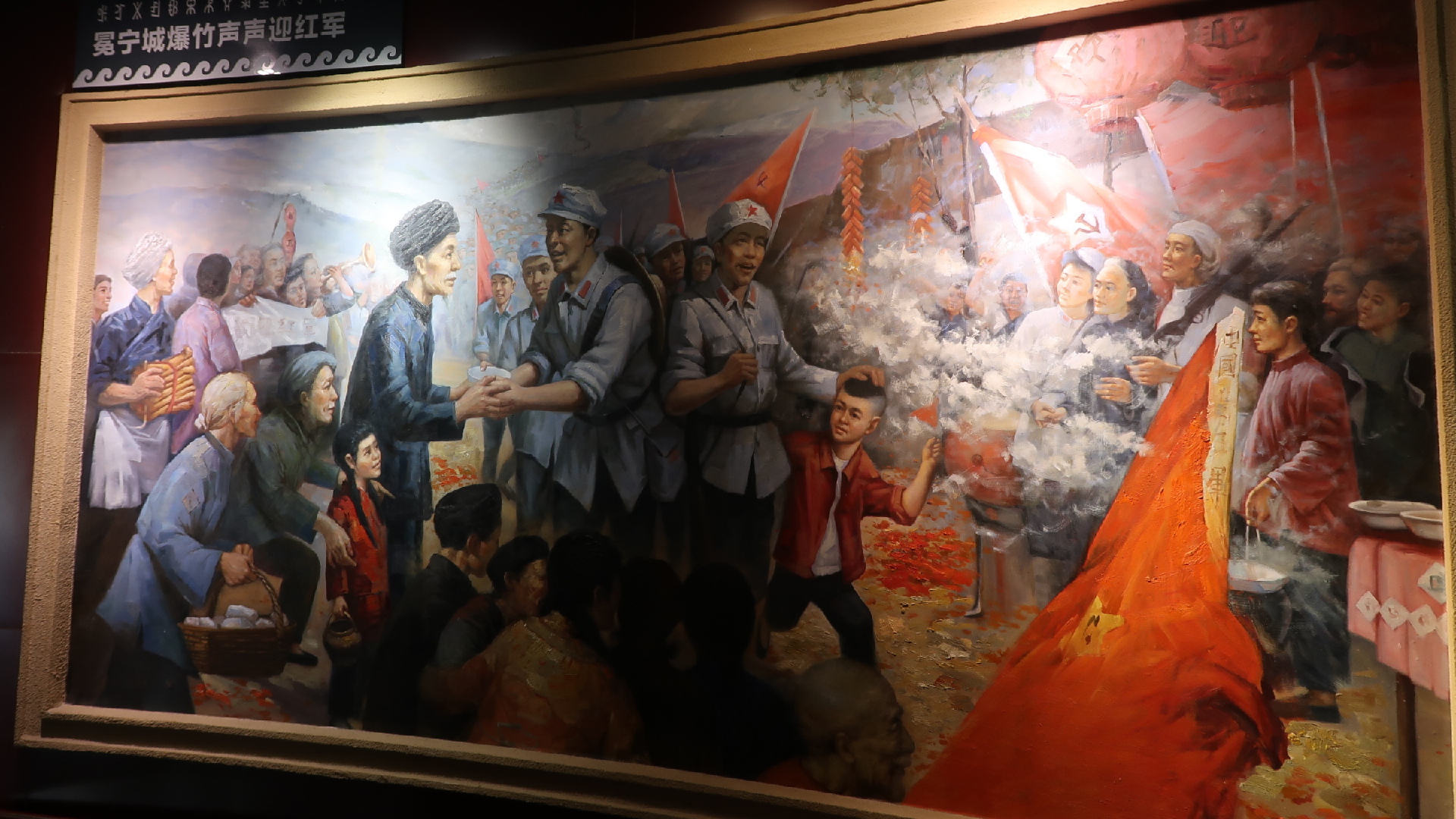
In late May 1935, the Central Red Army reached Mianning County in southwestern Sichuan. To escape the pursuing enemy forces and continue north, they first had to cross the rugged homeland of the Yi people, a minority group long oppressed by the Nationalist government and deeply hostile to outsiders. The only safe route was a hidden trail through Yi territory—but the Red Army needed the Yi's trust to make it through.
TV segment
New tech and suppliers reshape focus at Beijing Auto Show

TV segment
The Tokyo Trials: Remembering the verdict of history

TV segment
With an aging agricultural workforce and a rising trend of young rural people heading to the cities, China was facing the problem of who would be its farmers of the future.

TV segment
One in every 13 people around the world is now living in a megacity, according to the latest UN report.

TV segment
Every minute, enough solid waste to fill a garbage truck is dumped into the sea around the world.

TV segment
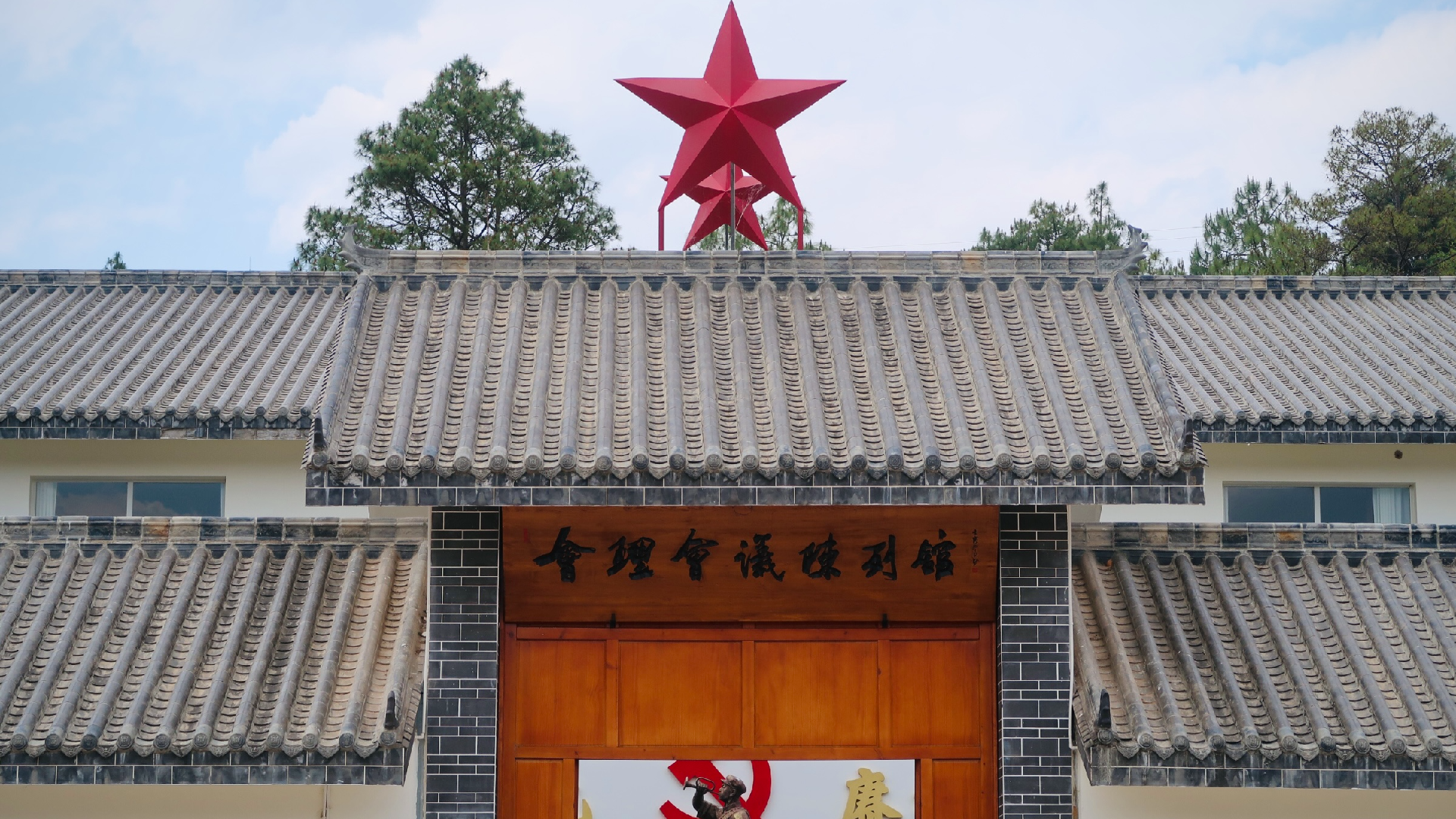
In May 1935, after crossing the Jinsha River, the Central Red Army reached the Huili area in southern Sichuan. At this stage, the troops were exhausted from months of fighting and marching, and some commanders had even begun to doubt the strategy of mobile warfare adopted at the Zunyi Conference.
TV segment
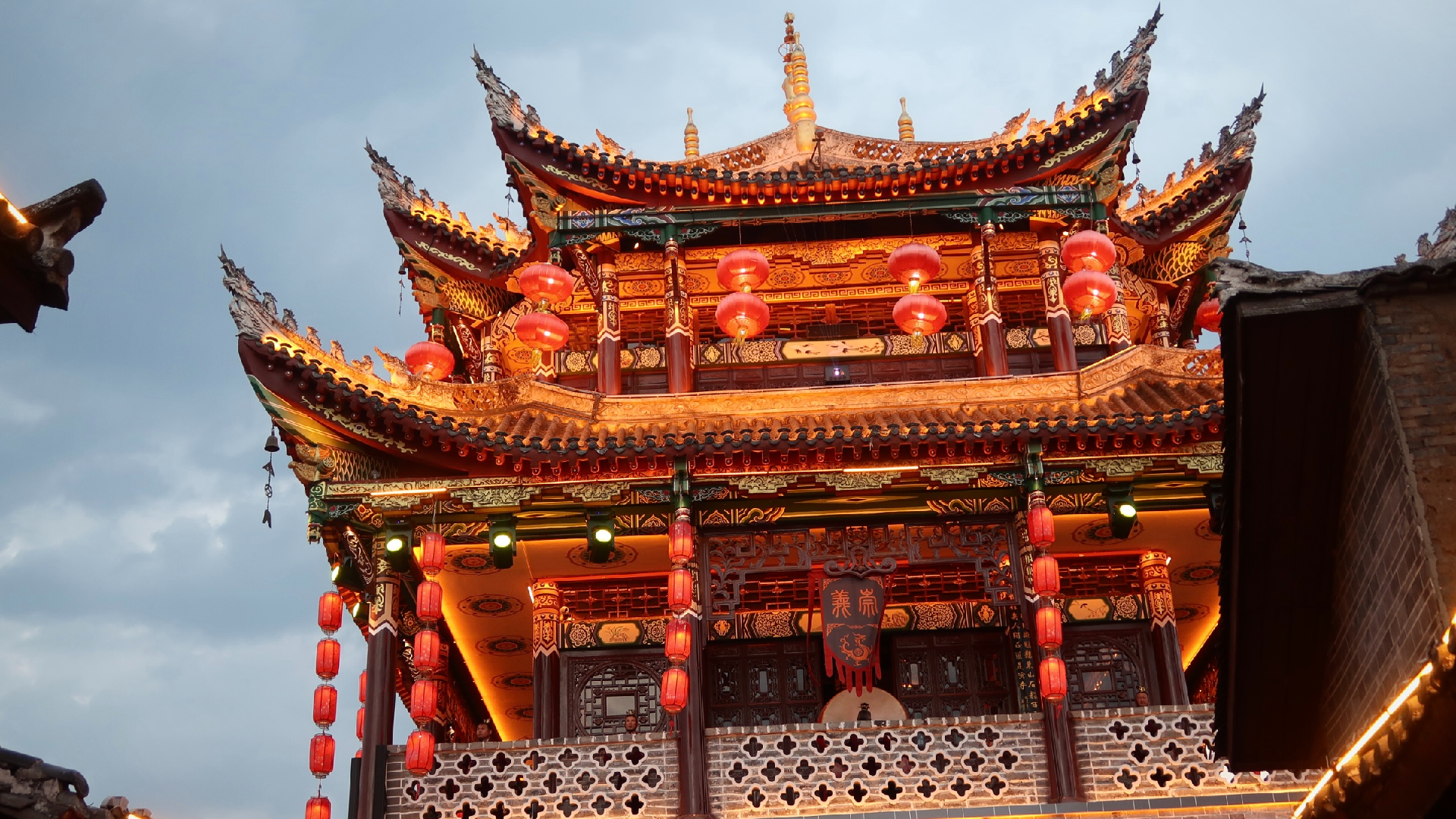
Huili Ancient Town, at the southern tip of Sichuan Province, was established in the Western Han Dynasty (111 BCE). It was a key stop on the Southern Silk Road, an ancient trade route to Southeast Asia. Huili is the only well-preserved Ming Dynasty military guard town. The town is laid out around a Bell and Drum Tower (built 1723–1735), with streets leading to four gates. The northern gate tower, Gongji Tower (first built in 1398), has a rare structure: Yuan Dynasty foundations and Ming upper parts—known as "Yuan foundation with Ming superstructure."
TV segment
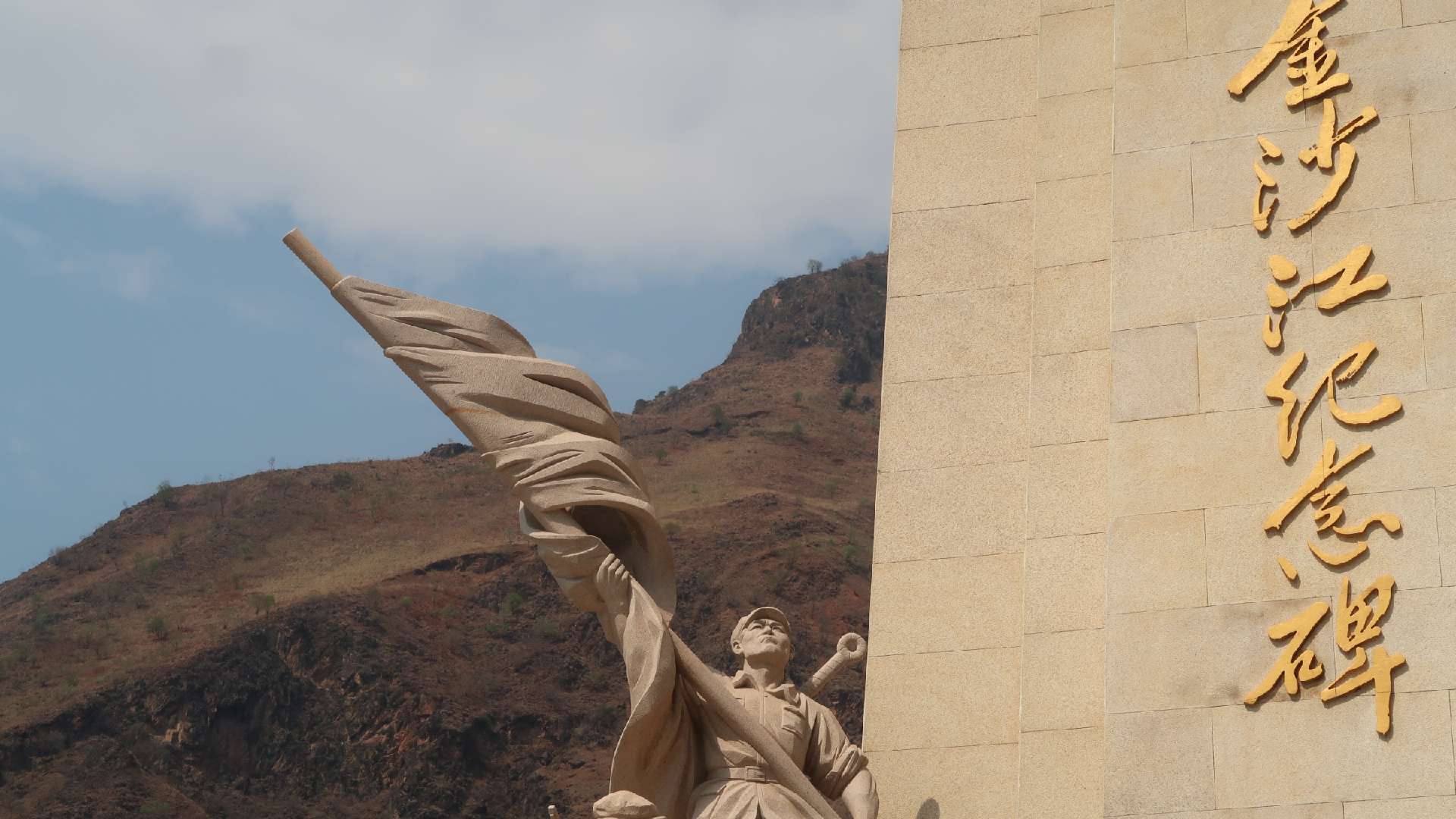
In the spring of 1935, the Central Red Army found itself trapped deep in the mountains of southwestern China. Surrounded by hundreds of thousands of enemy troops, they faced the possibility of total annihilation. To survive, they needed to break out. The decision was made to cross the Jinsha River, the upper stretch of the mighty Yangtze River.
TV segment
The Art of Governance: How China Is Learning to Embrace its Deserts

TV segment
Khon is a masterpiece written not in stone, but in masks, costumes and the bodies of its performers.

TV segment
Unhealed wounds: The enduring scars of Japan's germ warfare

TV segment
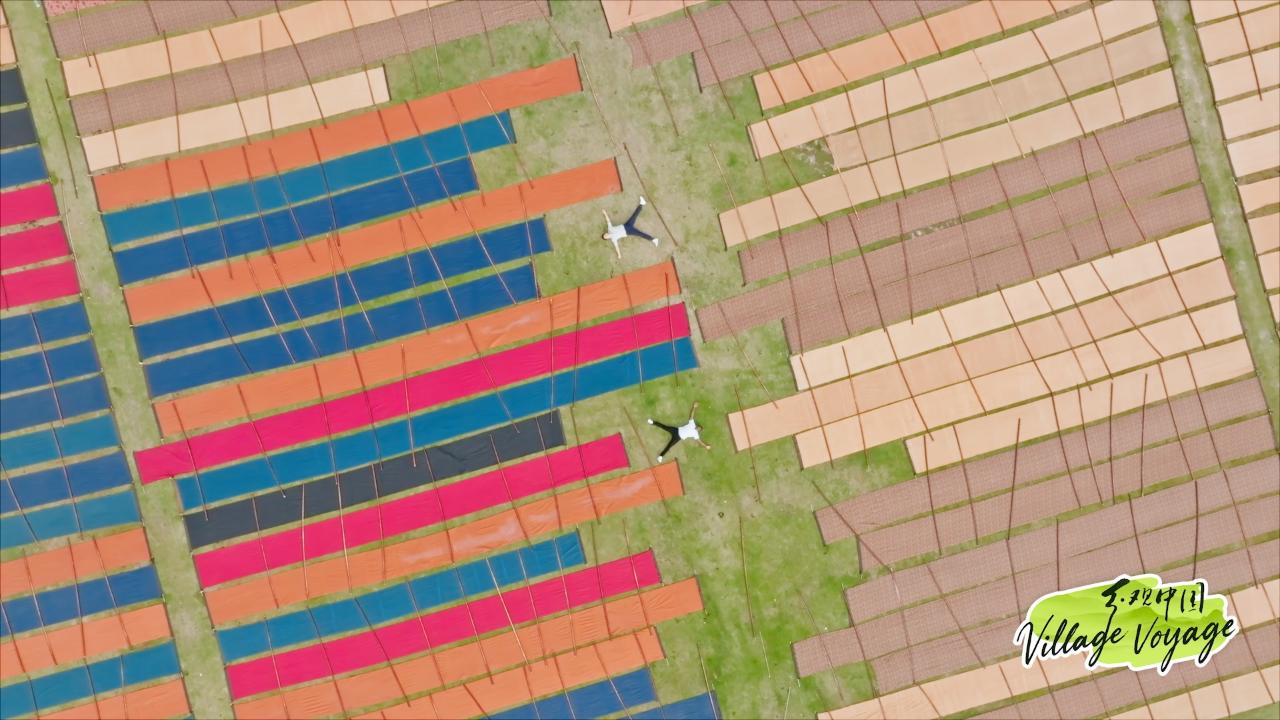
Shunde's Waterways: where business smarts meet everyday life
TV segment
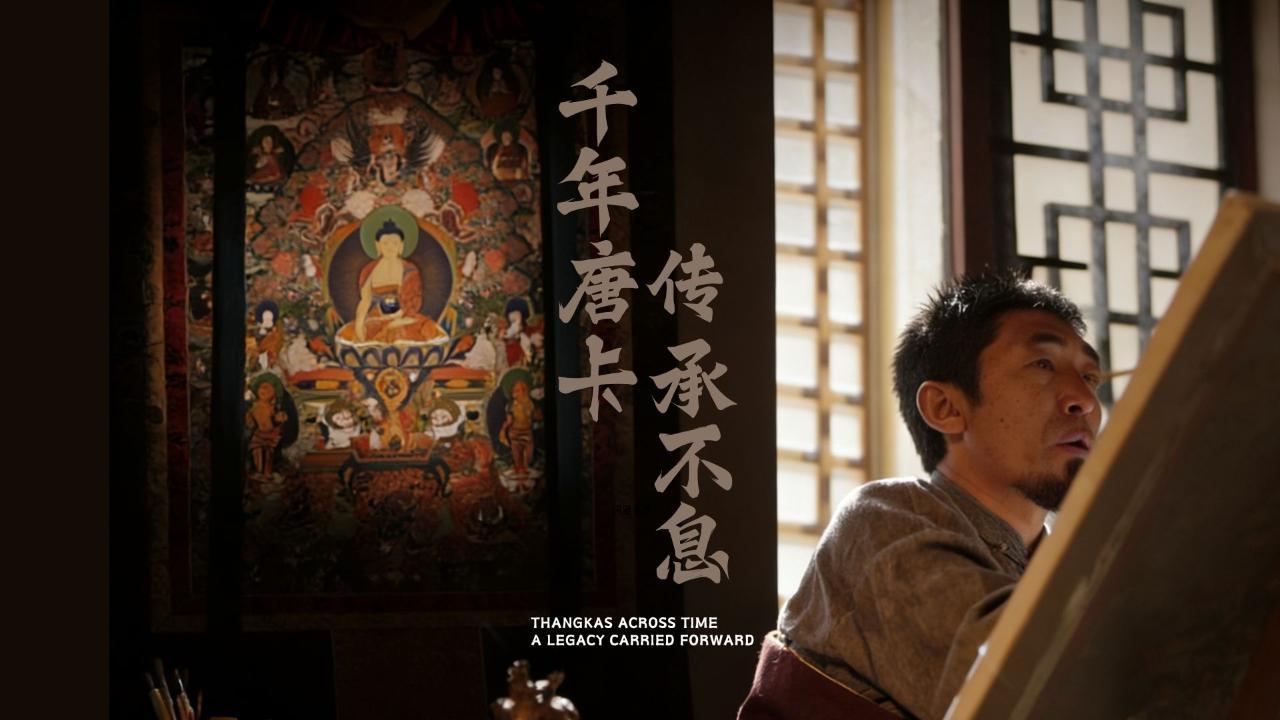
Thangkas across time: A legacy carried forward
 ×
×
×
×
×
×
×
×