Featured update
TV segment
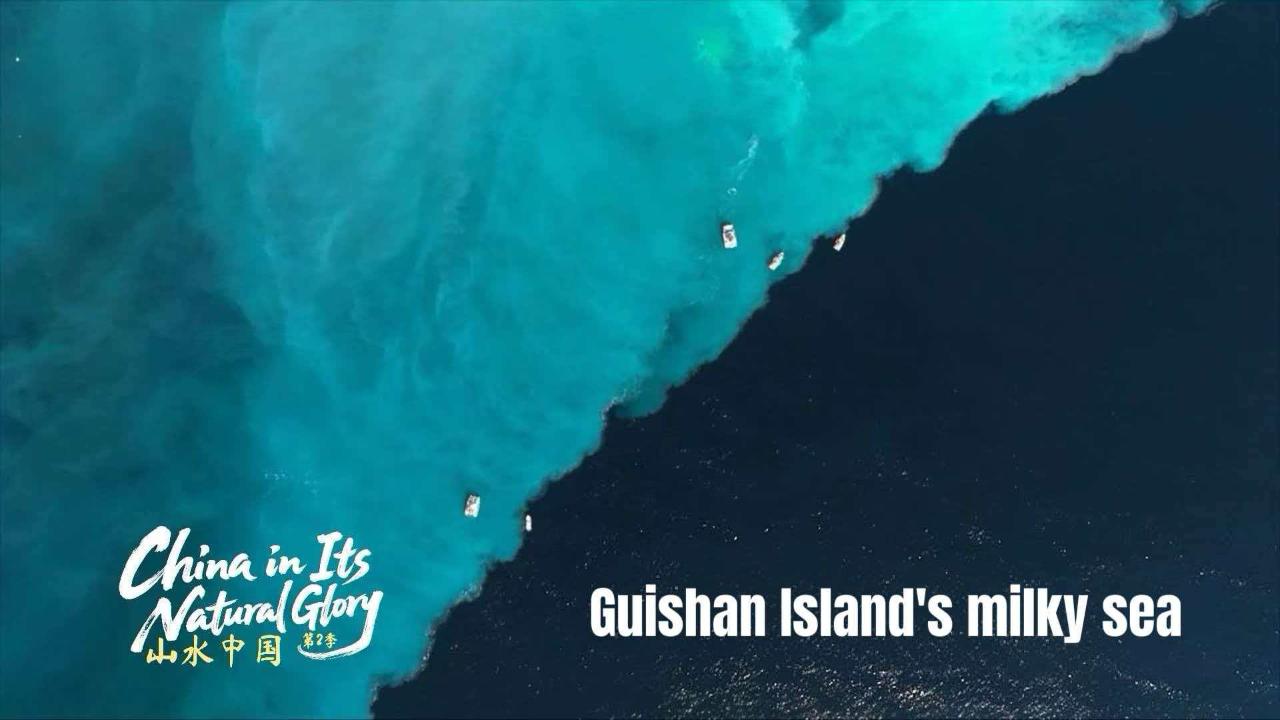
China in its natural glory II: Guishan Island's milky sea


TV segment
China in its natural glory II: Guishan Island's milky sea
TV segment
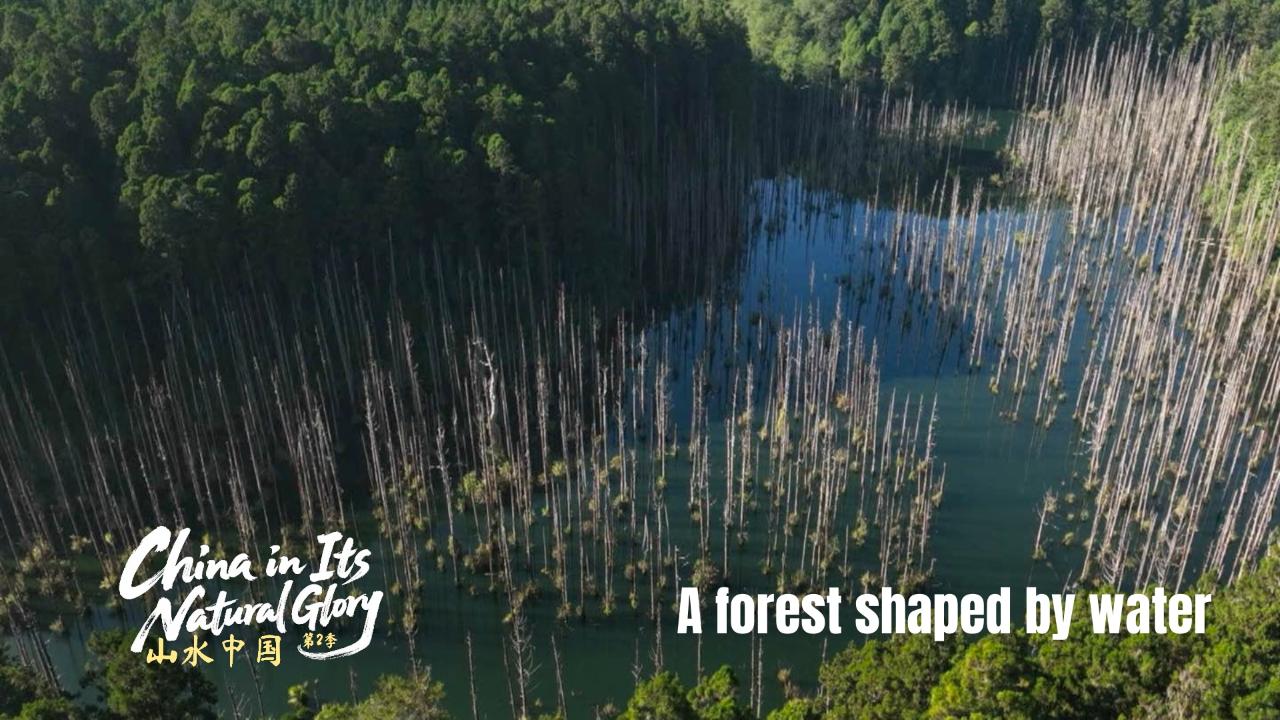
China in its natural glory II: A forest shaped by water
TV segment
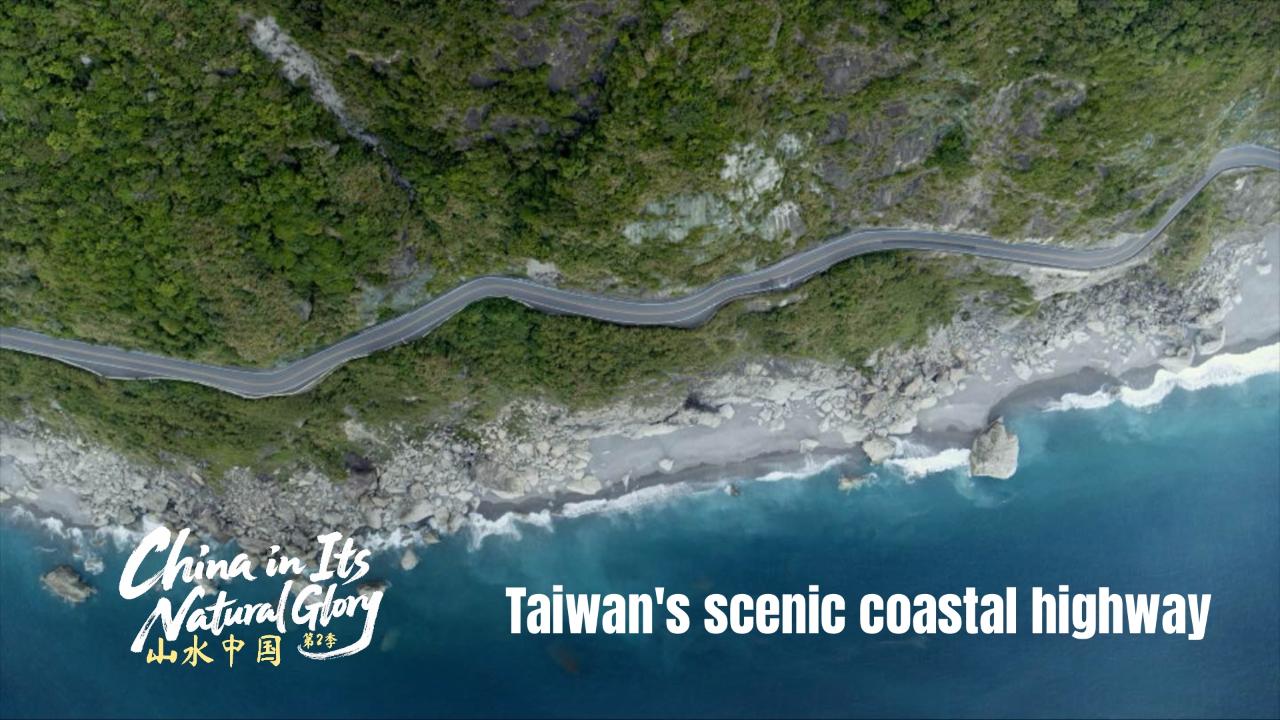
China in its natural glory II: Taiwan's scenic coastal highway
TV segment
A memorial event was held on April 6, 2026 in Iran to mourn the students of an elementary school, who were killed in a missile strike.

TV segment
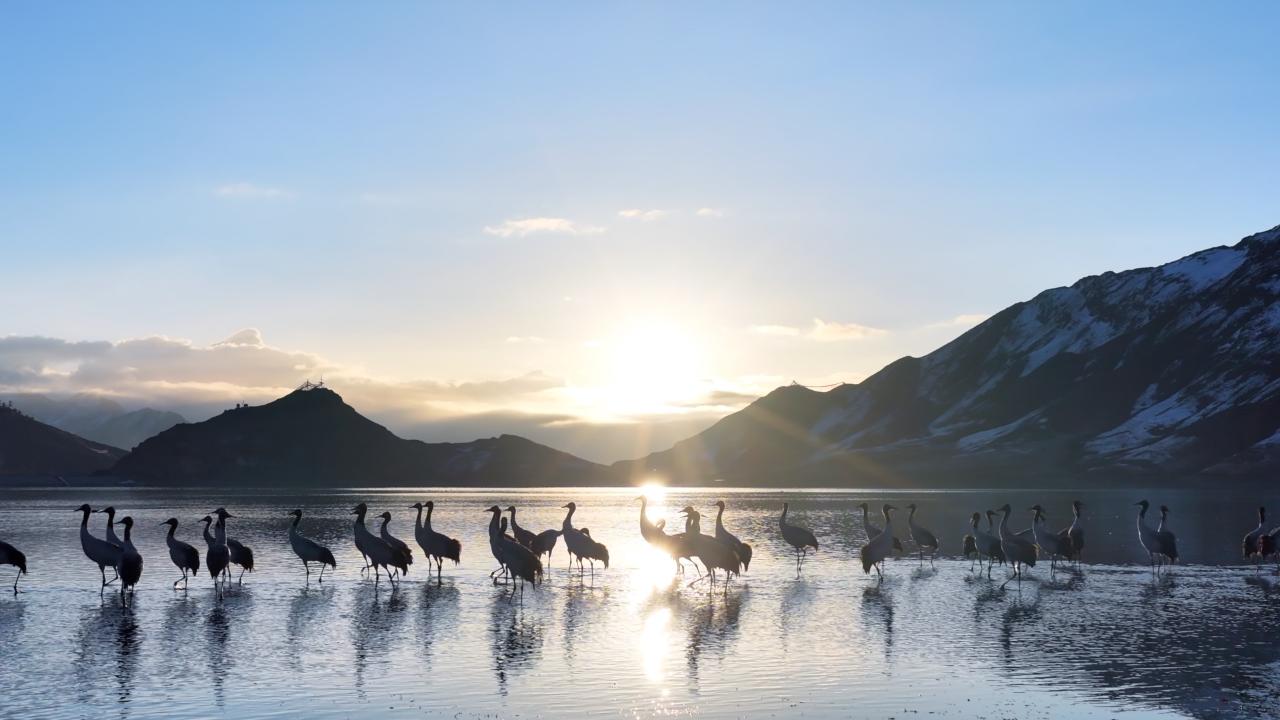
Black-necked cranes winter safely in China's Xizang Autonomous Region
TV segment
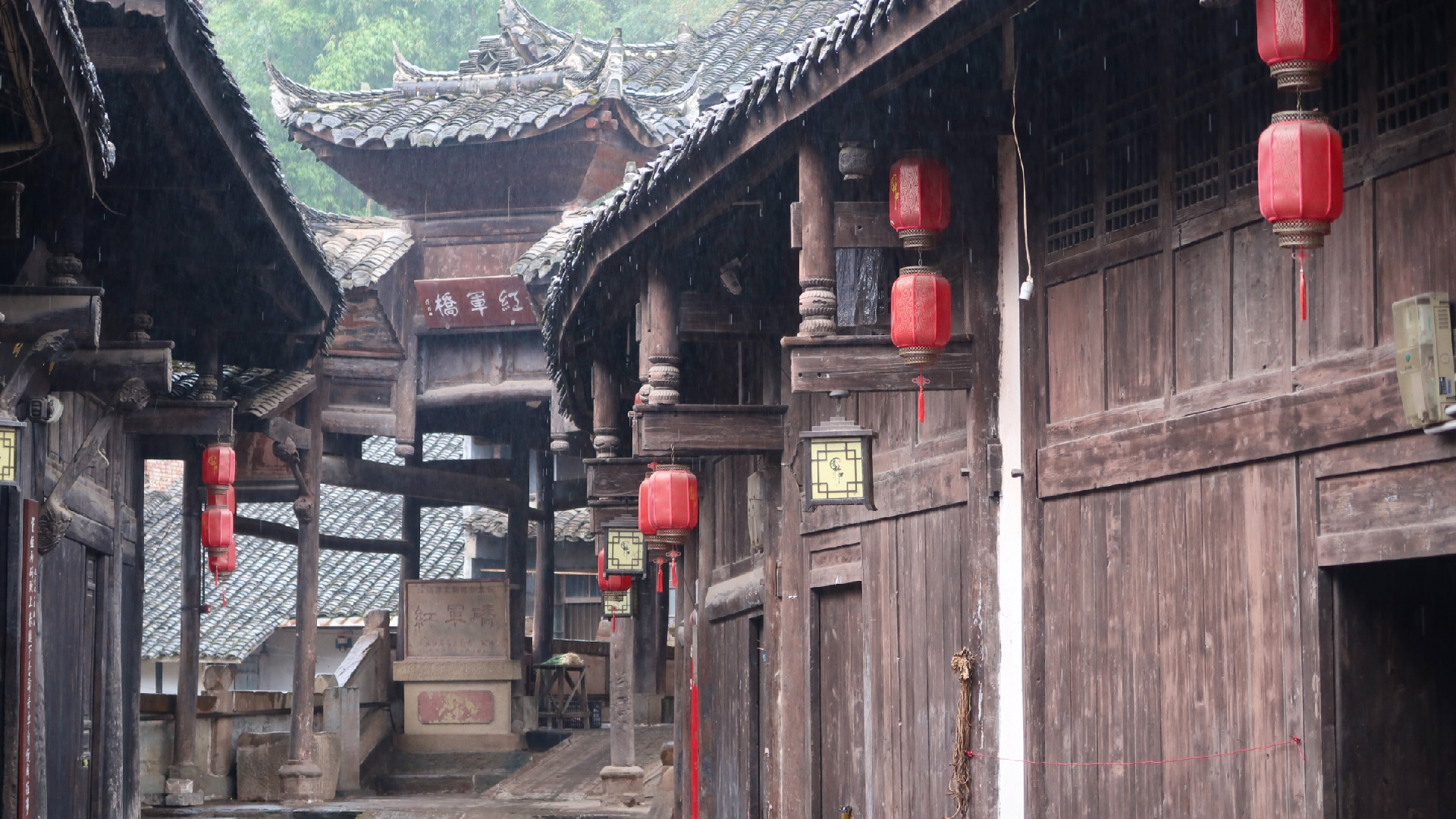
In April 1935, during the Long March—a major strategic military operation by the Chinese Red Army—the Fourth Front Army passed through Qinglinkou Ancient Town in Jiangyou, Sichuan Province. The Fourth Front Army was one of the Red Army's main forces, and the 30th Army was a unit under its command. Its headquarters were set up here.
TV segment
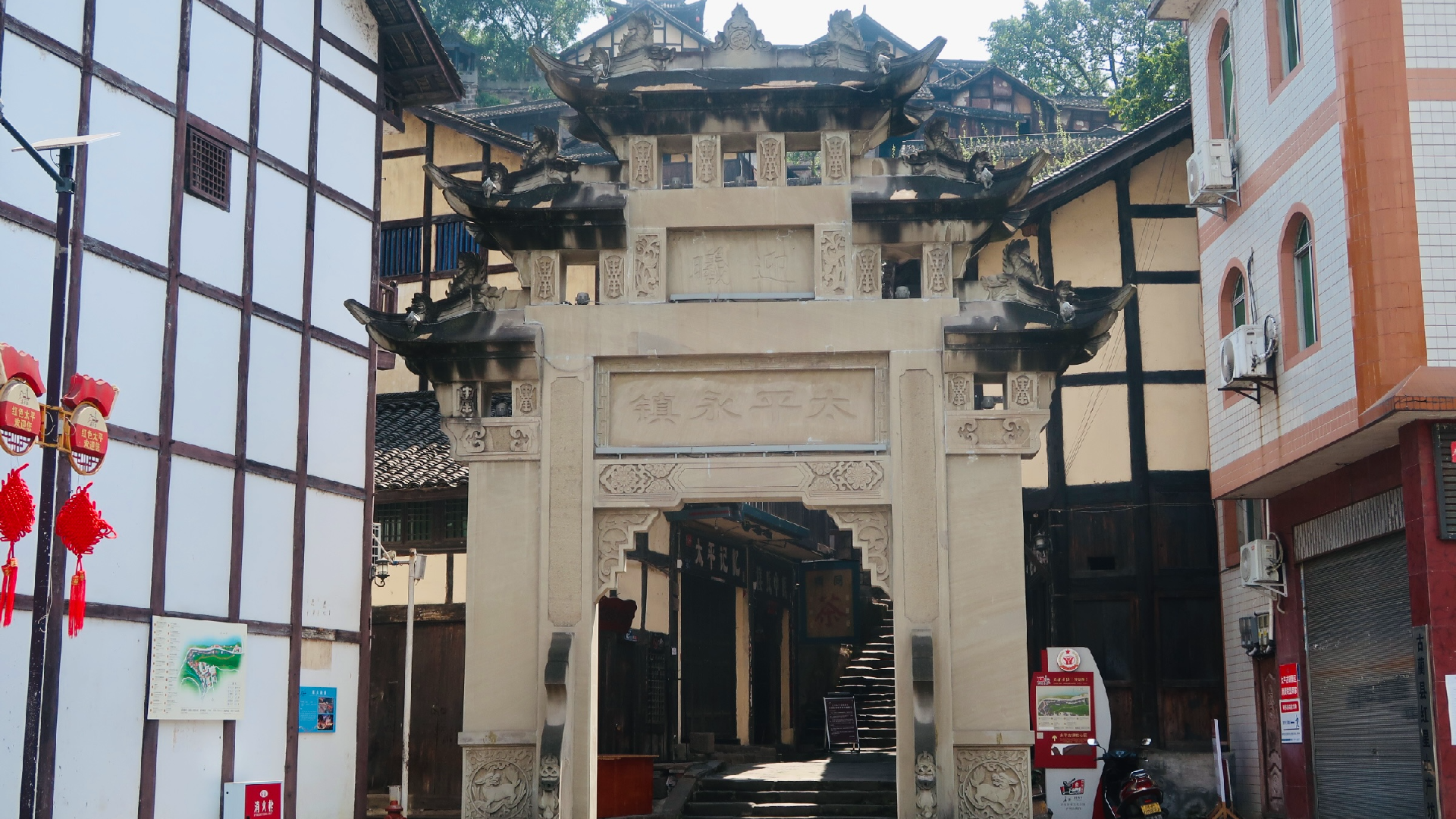
Taiping Ferry is located in Taiping Town, Gulin County, Sichuan Province, at the meeting point of the Chishui River and the Gulin River. In the spring of 1935, during the Long March—a strategic military operation undertaken by the Chinese Red Army—this site served as a key crossing point when the Red Army crossed the Chishui River for the second and fourth time. (The phrase "Four Crossings of the Chishui River" refers to a series of maneuvers that helped the Red Army break free from enemy encirclement.)
TV segment
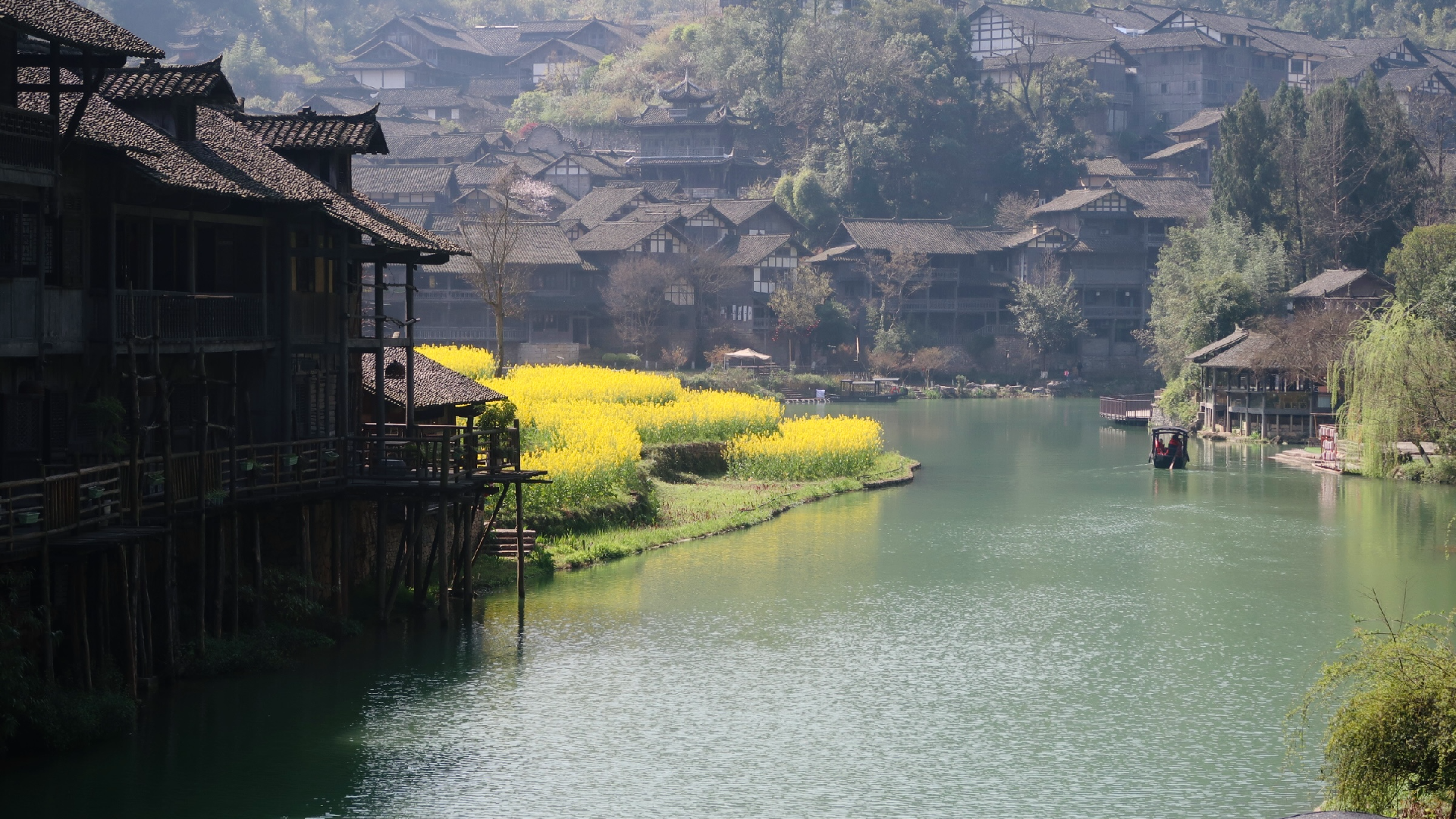
In April, the rapeseed flowers in Wujiangzhai, Zunyi, Guizhou Province, reach their peak bloom. Rapeseed flowers are cultivated not only for their bright yellow blossoms but also for their seeds, which are pressed to produce cooking oil—an essential ingredient in Chinese cuisine. Wujiangzhai is a riverside town in northern Guizhou, promoted as a "new landmark for tourism in Guizhou." Nestled against green mountains and built along the water, the town features stilted houses (traditional wooden structures supported by poles on slopes) and terraced fields, where golden flowers bloom in tiers across the landscape.
TV segment
Dr. Jacky Ching-Kit Tsui, a Hong Kong ophthalmologist, now practices at Zhongshan Ophthalmic Center in Guangzhou.

TV segment
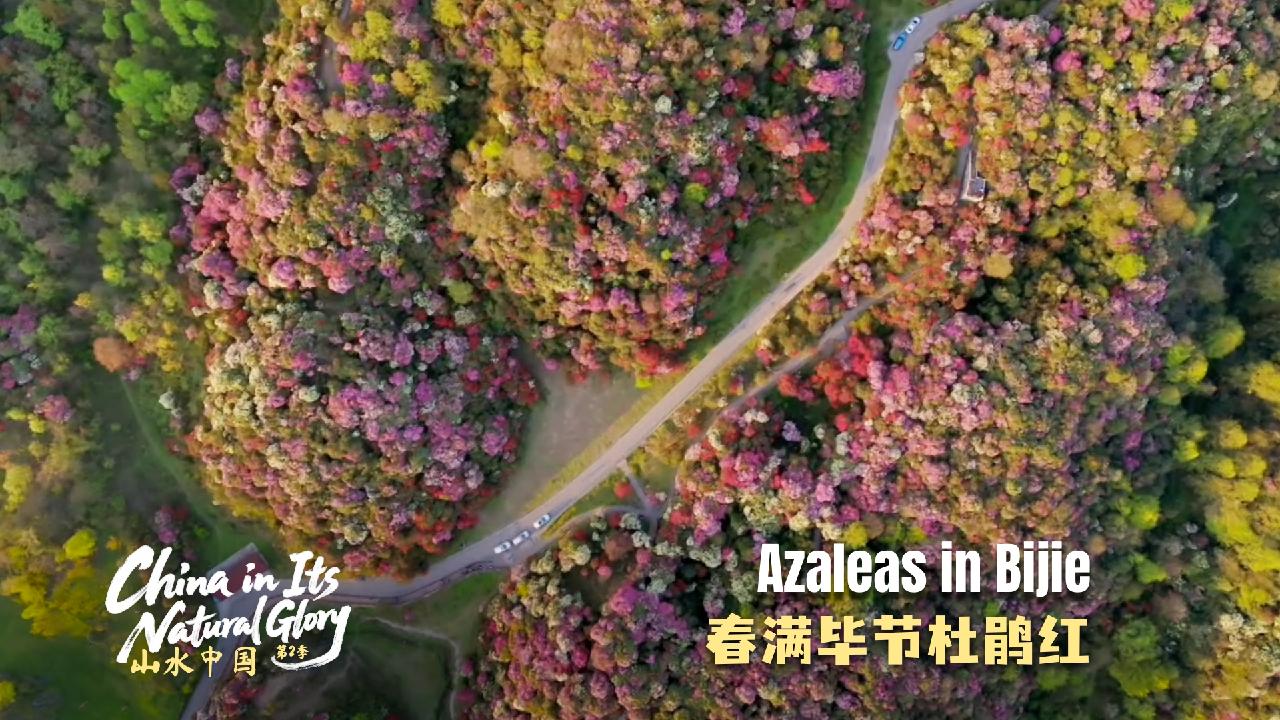
China in its natural glory II: Azaleas in Bijie

TV segment
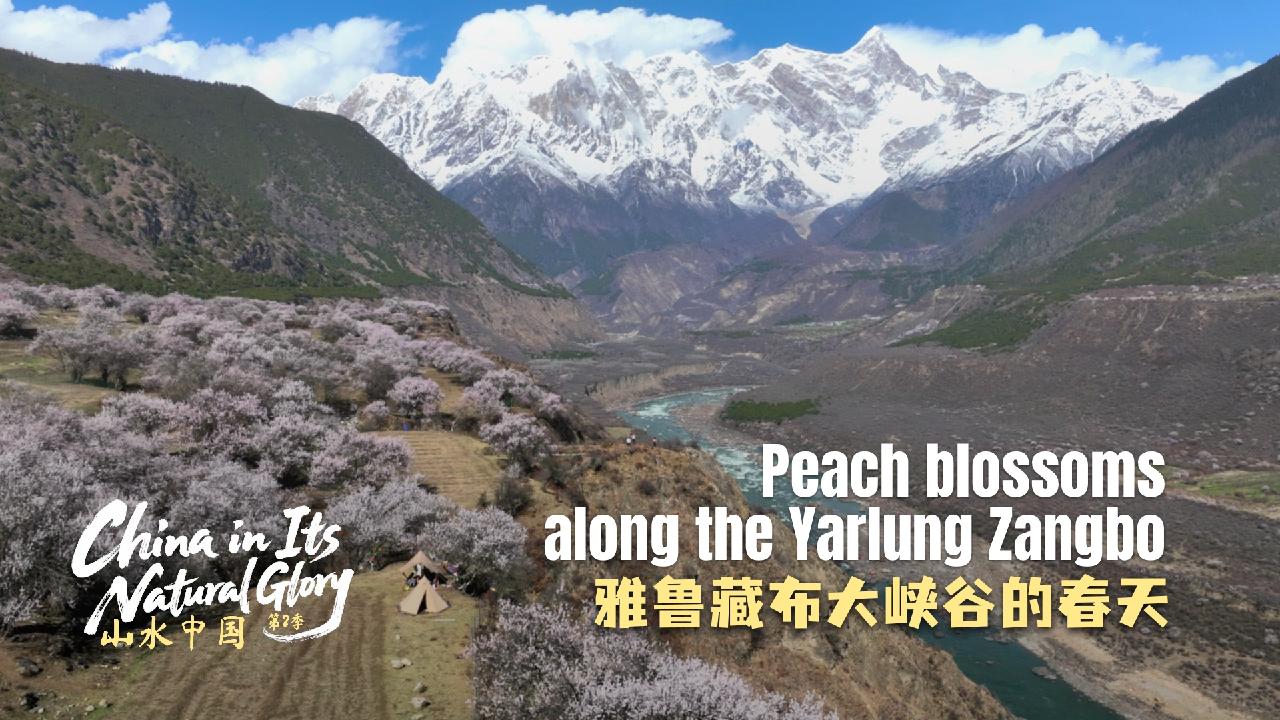
China in its natural glory II: Peach blossoms along the Yarlung Zangbo
TV segment
China in its natural glory II: East Lake cherry blossoms

TV segment
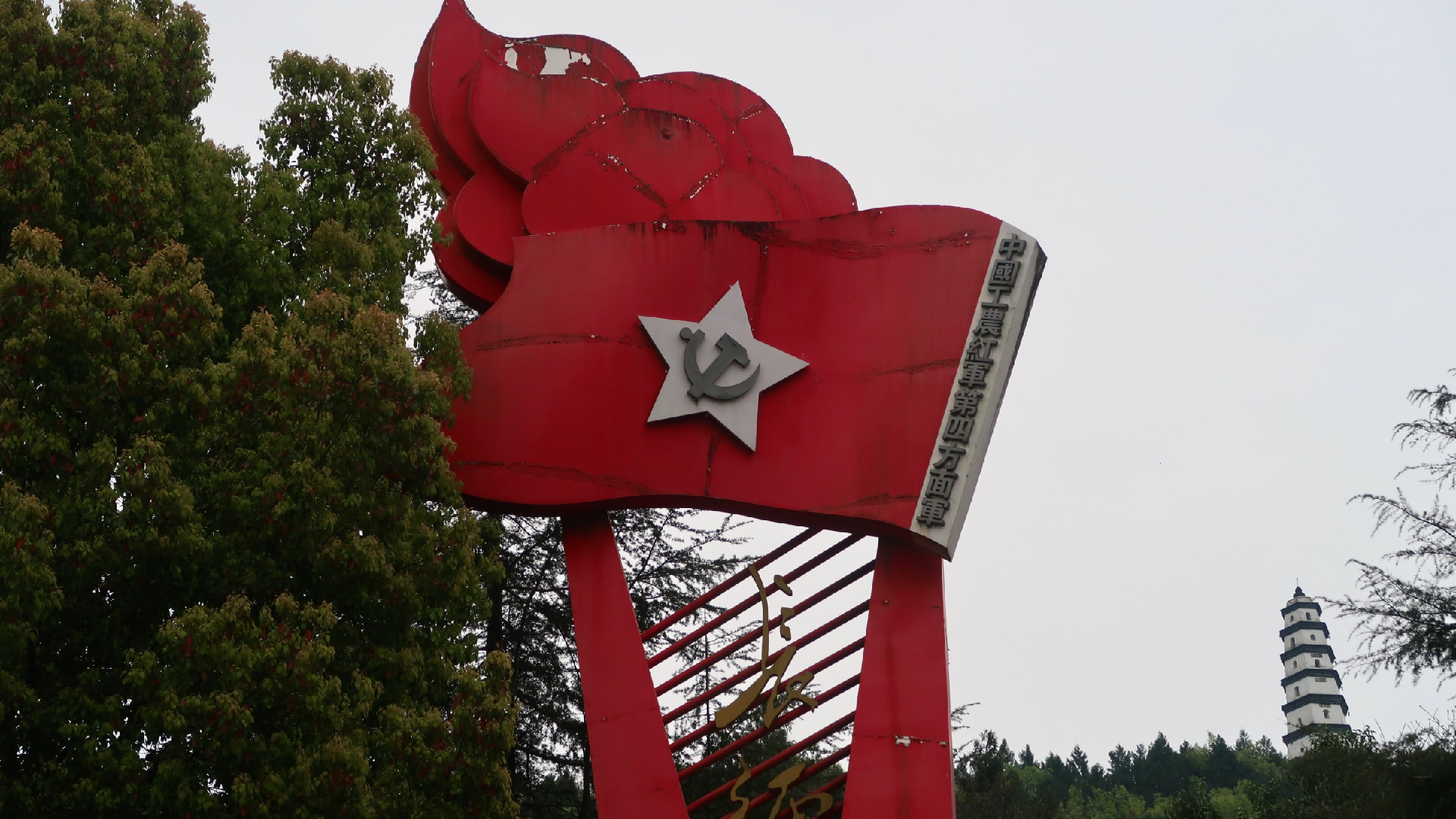
In the spring of 1935, during the Long March—a major strategic military operation by the Chinese Red Army—one of its main forces, known as the Fourth Front Army, was operating in Sichuan Province. On March 28, the army's commander, Xu Xiangqian, ordered a forced crossing of the Jialing River, a major waterway, at a place called Tazishan in Cangxi County.
TV segment
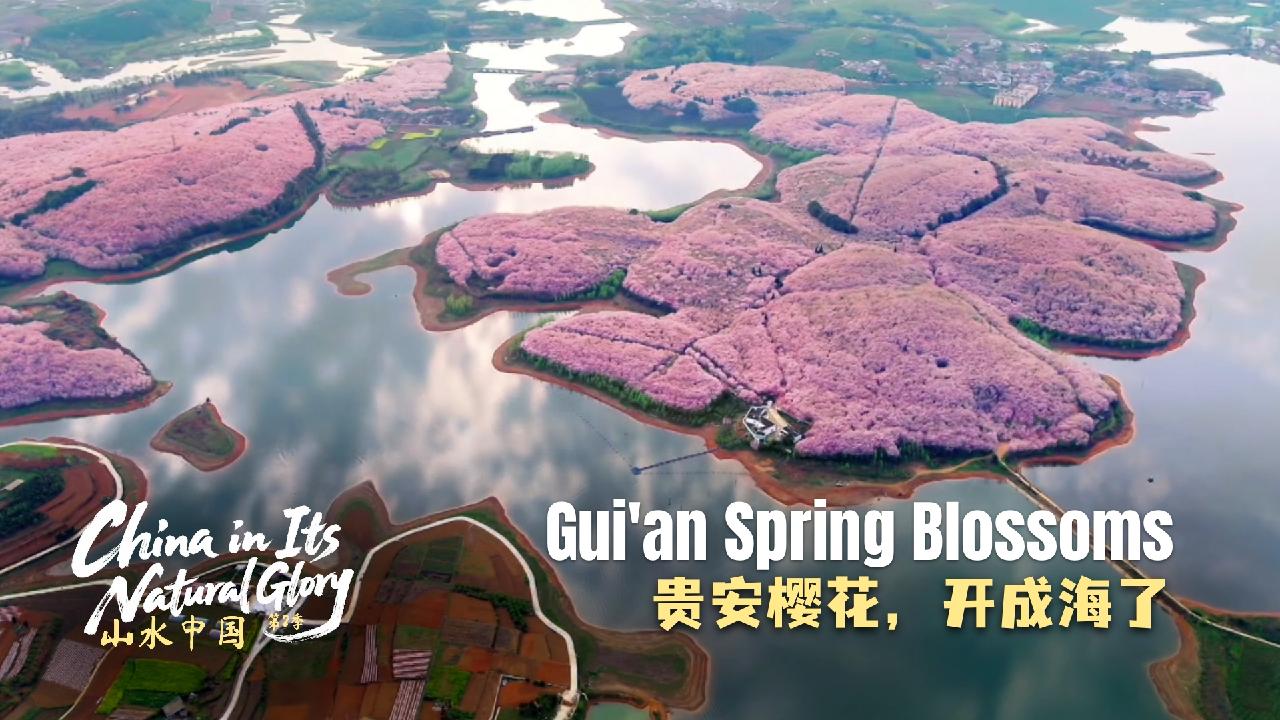
China in its Natural Glory II: Gui'an spring blossoms
TV segment
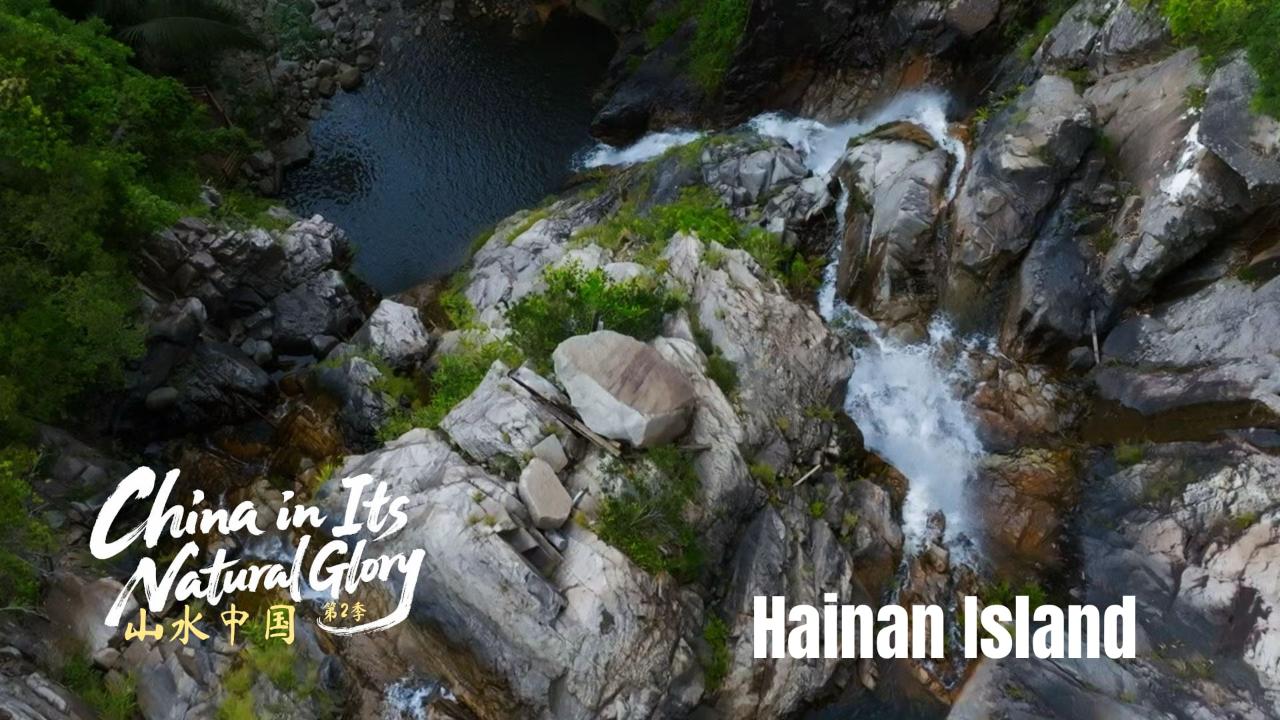
China in its natural glory II: Hainan Island

TV segment
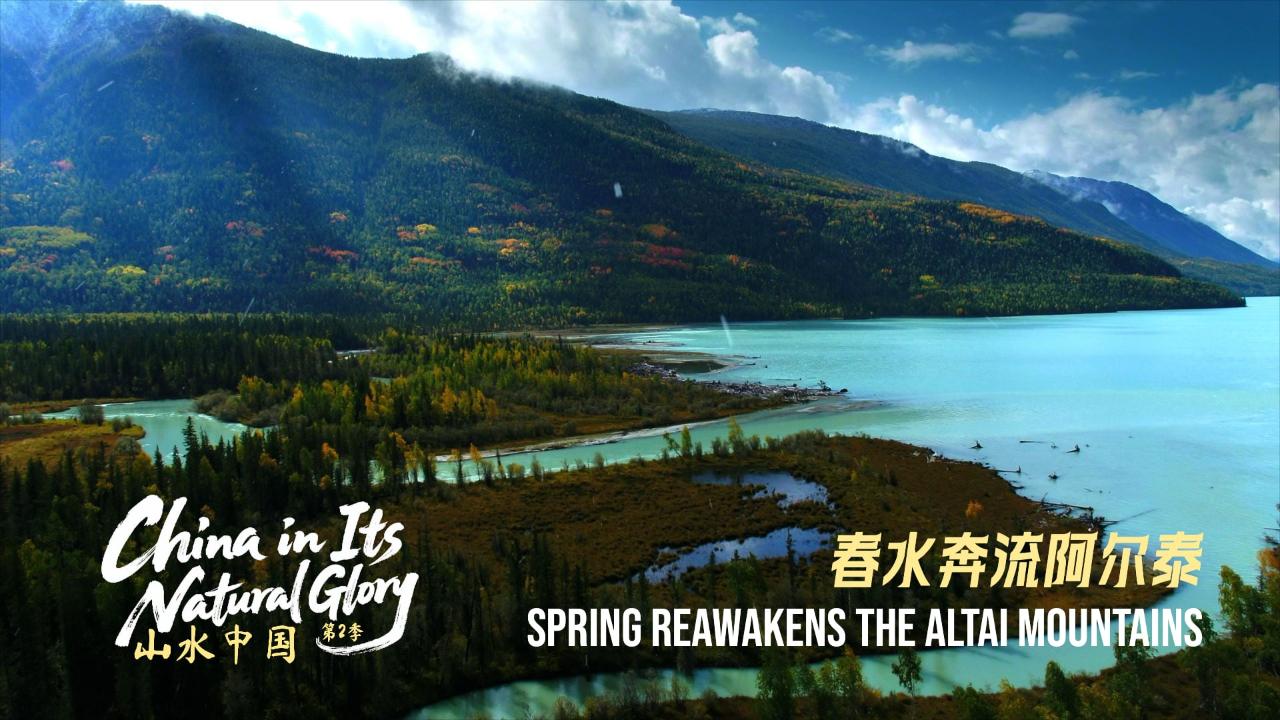
China in its Natural Glory II: Spring Reawakens the Altai Mountains
TV segment
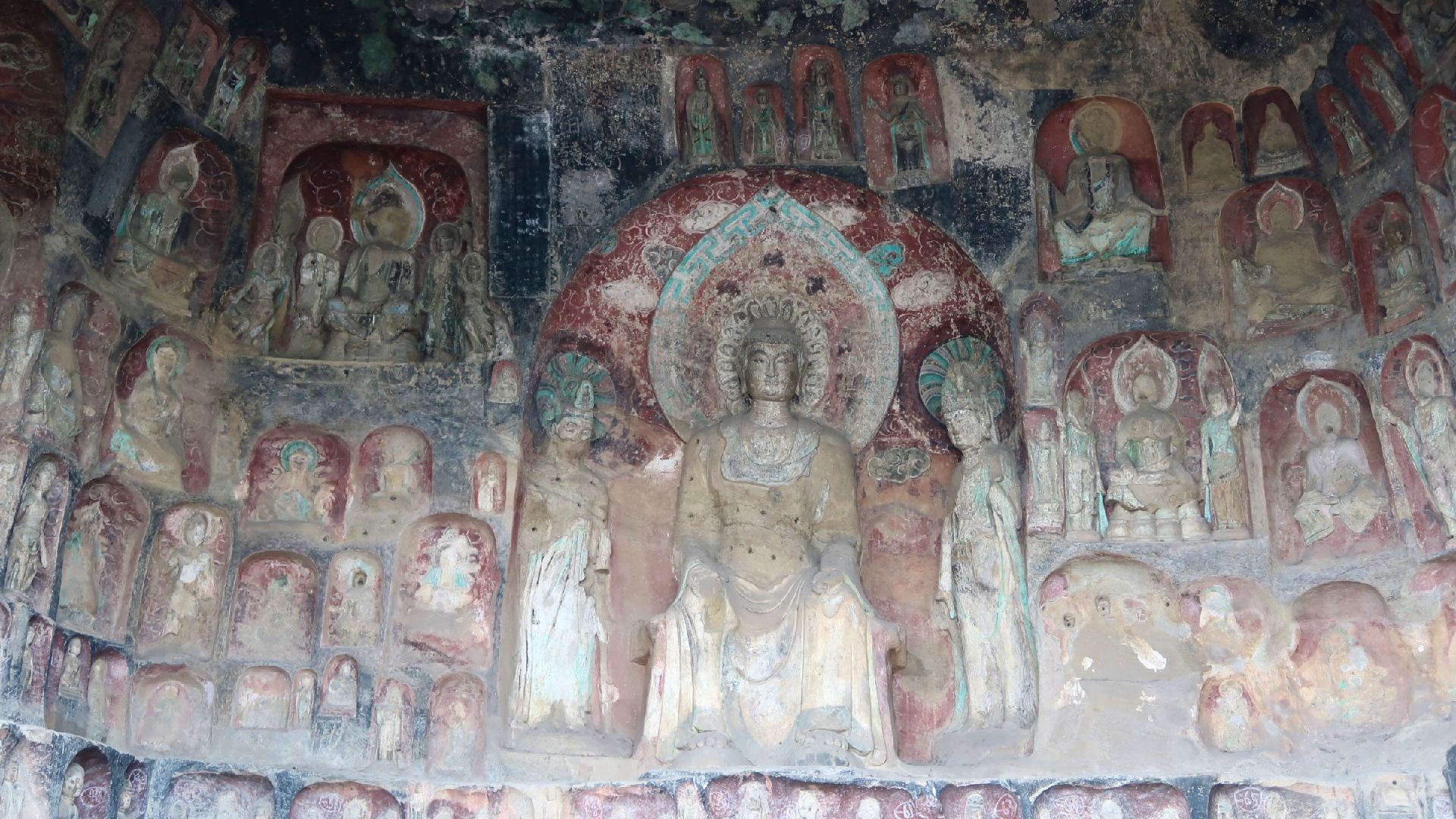
Located on the east bank of the Jialing River, the Thousand-Buddha Cliff in Guangyuan was first carved in the late Northern Wei Dynasty (386-534 AD) and flourished during the Tang Dynasty (618-907 AD). It currently contains over 7,900 statues and is the largest grotto complex in Sichuan Province.
 ×
×
×
×
×
×
×
×